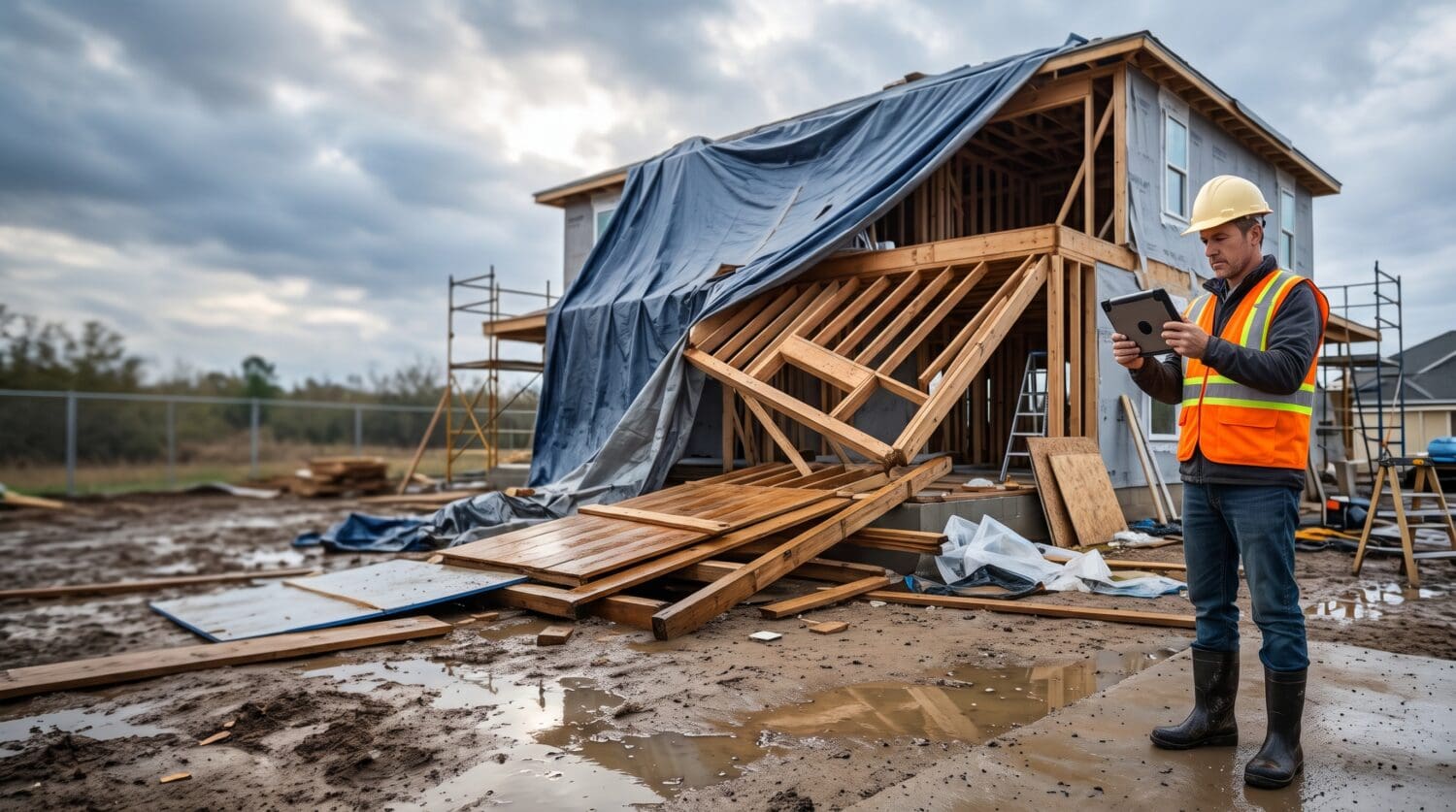
The new house is nearly ready. The floors are down, the kitchen is in, and your client wants to start moving boxes inside. Your crew still has a few jobs to finish, so you assume the builder’s risk policy will stay active until the last tool leaves. But when does builder’s risk coverage end if the owner moves in before you’re done?
It’s a question worth sorting out before you hand over the keys. At Contractors Liability Insurance, we help builders and trade businesses find coverage for work in progress. We know that the last days of a project can be busy. You may be booking the final inspection while a plumber comes back to fix a fitting or a painter finishes a room. Insurance can get lost among those smaller jobs.
The trouble is that a policy may end before the date printed on it. We’ll explain the events that can bring coverage to a close, how delays and early occupancy affect a project, and what to check before the owner takes over.
When Does Builders Risk Coverage End?
Builder’s risk coverage usually ends:
- When the insured construction work is complete
- When the property is put to its intended use
- When the policy reaches its end date.
The cover ends whichever happens first under the policy terms. Some policies also end when the owner accepts the building or takes possession. Coverage may stop earlier if the policy is canceled.
The exact trigger varies by policy. A date on your certificate doesn’t promise coverage until that day if another ending condition applies first. Check the policy’s section on when coverage ends, and arrange permanent property insurance before the change takes place.
What Can Bring a Builder’s Risk Policy to an End?
Several events may end the policy, and they don’t always happen on the same day. The first one that applies can bring coverage to an end, even when the team is still on site.
1. The Work Is Complete
Finishing construction is a common endpoint. Say your crew has built a workshop, passed the final checks, and cleared the site. Once it meets the policy’s definition of completion, coverage may end without anyone asking to cancel it. Your team might still be waiting to send the last invoice or collect the final payment. Neither will keep the insurance active by itself. Check how your policy defines a completed project.
2. The Owner Takes Possession or Starts Using the Building
An owner may start using a building before the last job is done. A store owner could stock shelves while the electrician finishes the lights. A family could move into a new house while the painter has work left. Some policies treat that use or handover as an end event; others allow it with approval.
Moving in doesn’t have to mean sleeping there either. Using a finished area for its planned purpose may be enough under some forms. Tell the insurer before anyone moves in. Our article on homeowners insurance versus builder’s risk insurance explains the different roles of these policies.
3. The Policy Reaches Its Expiration Date
A delay won’t extend the policy by itself. Say you insure a house build for nine months, but late windows push the job into month ten. The site may still be open, yet coverage can stop on the stated end date.
Ask for an extension before that date and get the change in writing. A new finish date in your building contract won’t change the policy term.
4. The Policy Is Canceled
A policy may end through cancellation, such as a request from the policyholder or nonpayment of the premium. Notice rules vary.
If the owner or lender bought the policy, find out who gets cancellation notices. Keep copies of any changes and confirm that the general contractor is told before coverage stops. If several parties are listed on the insurance, agree on who will call the agent.
5. Work Stops for a Long Time
You may be waiting for a permit or for another trade to finish. Some policies limit or end coverage after a long pause in work. Tell your agent if the site will sit idle, and ask if extra security is needed. An empty site can still hold costly materials and unfinished rooms. Locking the gate won’t, by itself, solve a clause about work stoppages.
Does Builders Risk End at Substantial Completion or Final Completion?
These two dates can mean different things on a job. The words used in your building contract may not match those in the insurance policy.
Substantial Completion
Substantial completion means the building is ready to use, even though some small jobs remain. For example, a family may be able to move into a new house before you fix a closet door or finish the paintwork.
Some builder’s risk policies end at substantial completion, even if your crew still has work to finish. Your building contract may record this stage with a certificate, but your insurance policy has its own rules. Check when your coverage ends so you’re not left without protection during the final jobs.
Final Completion and Handover
Final completion means all the agreed work is finished and the final checks are done. But the owner may move in before then, which could bring your builder’s risk coverage to an end while you still have work left to do.
Before handing over the building, check with the owner and insurer when coverage ends and what insurance will protect any unfinished work. Our guide to general contractor responsibilities explains more about your duties as a project comes to an end.
Can You Keep Builder’s Risk After Someone Moves In?
Sometimes. The insurer may allow early use, require a policy change, or end coverage when the building is first used. Ask before someone begins living or trading there, rather than trying to sort it out after a claim.
A Homeowner Moving In Early
A family may want to use its new kitchen while you finish a back room. Ask the insurer how that affects the coverage, and have the owner check their home policy too. Our home improvement insurance article covers other risks during renovation work. Tell your agent if the family will stay in the home throughout the job.
When Does Builders Risk Coverage End for a Partly Occupied Building?
A hotel might open one floor while the next floor is still being built. Some insurers allow partial use through a written policy change, called an endorsement.
Tell the insurer which area will open and what work remains. Get approval in writing; the owner’s permission alone won’t change the policy. Check if coverage continues for the occupied area, the unfinished area, or both.
What Insurance Takes Over When Builder’s Risk Ends?
The finished building needs permanent property insurance, often arranged by the owner. Check the contract for who buys it and when it begins.
The Utah Insurance Department explains that builder’s risk covers homes during construction and must be changed to homeowners insurance once the building is complete.
Here’s how the two types of insurance serve different stages of a project.
| Builder’s Risk Insurance | Permanent Property Insurance | |
| Main purpose | Covers insured property during construction | Covers the completed building against insured losses |
| When it applies | During the approved building or renovation period | Once the permanent policy takes effect |
| What to check | Completion, occupancy, end date, and exclusions | Start date, building value, and coverage for any unfinished work |
| Who arranges it | Owner or contractor, as agreed in the contract | Usually the property owner |
Confirm the dates with the owner and insurer so the building isn’t left without insurance. The building’s value and any work still in progress should be clear to both sides.
What If the Project Runs Past the Policy End Date?
You may be able to extend coverage if work is still underway. The insurer must agree and may charge more. An extension can’t be assumed after coverage has already ended. For a delayed build, check both the expiry date and the events that can stop coverage early.
Ask Before the Current Term Ends
If the final inspection is delayed, tell your agent before the end date. Give the new schedule, work still to be done, and site security details. Ask if extra time changes the price or other terms, and get the insurer’s answer in writing. The extra premium will vary by project, so don’t rely on a flat rate.
Check for Other Events That May End Coverage First
A new end date may not help if the owner has moved in or the work already counts as complete. Ask your agent, “When does builders risk coverage end under this policy?” The insurer needs to confirm which ending events still apply.
If a Loss Happens Near the End Date
Say a storm damages the roof two days before the end date. A covered loss that happens while the policy is active may still be handled after expiry, subject to claims rules. Report it fast and keep dated photos. Damage that first occurs after coverage ends is a different case; buying insurance later won’t cover that loss.
How to Avoid a Gap Between Construction and Handover
Go through these checks with the owner and agent before handover. It’s easier to settle the dates while both policies can still be changed.
Step 1 – Check the Policy’s End Conditions
Check the policy’s end date and any rules on completion, occupancy, acceptance, or an idle site. Ask what could end coverage first.
Step 2 – Share Your Updated Project Dates
Tell the owner and agent if the finish date changes or someone wants to move in early. Share the new schedule in writing. If the project has more than one building, explain which parts are finished and which are still active.
Step 3 – Arrange the Next Property Policy
Confirm when permanent building insurance begins. If work continues after occupancy, ask both insurers about the unfinished areas. Keep their answers in writing. A copy of the new policy details can help prevent a dispute about the start date later.
Step 4 – Check Other Business Insurance
Your tools and business liability may still need their own insurance after handover. A policy tied to one building won’t follow every saw or drill to the next project. Our article on insurance for construction tools explains the difference.
Before handing over the keys, confirm who covers the building and the work left to do. Don’t leave that decision until after your crew has gone.
Finish the Build Without Losing Coverage Too Soon
So, when does builders risk coverage end? We’ve covered the main end events, how early use can affect coverage, and what to do when a job runs late. The policy terms, not your work schedule, set the limits.
Before the next handover, check the dates with the owner and agent. Plan the change to permanent building insurance before construction coverage stops.
At Contractors Liability Insurance, we help builders review coverage for work in progress. See our builders risk policy guidance or talk to our team about your next project
Frequently Asked Questions
Does builder’s risk end when a certificate of occupancy is issued?
It can, but some policies end at occupancy or another stage instead. Ask the insurer how the certificate affects your coverage before anyone moves in.
Is punch-list work covered after handover?
Not always. Finishing punch-list work won’t restart a policy that has ended. Ask what covers that work after handover.
Can I extend builder’s risk for another month?
Yes, you can ask before expiry. The insurer must agree and may charge more. An earlier end event may still prevent an extension.
When does builder’s risk coverage end if work stops?
Some policies limit or end coverage after a long work stoppage. Tell the insurer about the pause and get its answer in writing.
Who should cancel builder’s risk after construction?
The policyholder should contact the insurer or agent. Check that permanent insurance is active before asking to cancel. Some policies end under their terms without a request.