Get contractors insurance for your Florida business. Find coverage for general liability, workers’ compensation, commercial auto, and other projects.
Need help choosing coverage? Call (888) 973-0016 to discuss your insurance needs.

Business insurance for contractors in Florida is a practical requirement for many types of contractors. Carpenters, concrete contractors, electricians, excavators, general contractors, handypersons, plumbers, and roofers may need insurance to meet contract requirements, follow jobsite rules, and cover common business risks.
The right coverage also depends on who is insured under the policy. Subcontractors should not assume the main contractor’s policy protects them. In most cases, it does not. Coverage usually applies only to the parties named on the policy or added by endorsement where required. If your business is not properly listed, you should not expect another company’s insurance to pay your claim.
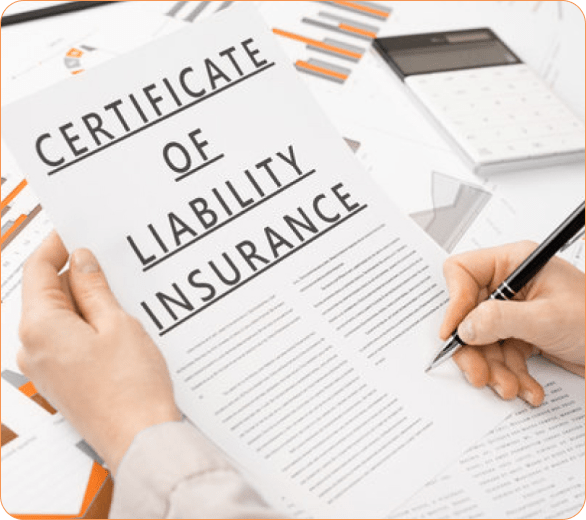
Contractors often need to provide proof that their insurance is active before starting work. A certificate of insurance, often called a COI, is the document that shows your coverage is active. It usually lists the policyholder name, the carrier, policy types, limits, effective dates, and other core details. Many contractors are asked to send a COI before they can start work, enter a jobsite, or finalise a contract.
Learn about the tailored policies for your roofing business here
General liability insurance is essential for Florida contractors. General liability insurance protects the business when a third party claims that your work, operations, or business activities caused bodily injury or property damage.
For contractors, that can include a tool falling from a roof and hitting someone below, sawdust or debris damaging nearby property, or completed work that fails and causes harm. If your plumbing installation later leaks and damages a client’s ceiling, or if construction dust ruins a neighbor’s outdoor furniture, general liability typically covers these claims.
This coverage is commonly requested before work begins. Project owners, property managers, landlords, and hiring contractors may require certain limits or policy features. General liability does not replace every other policy a contractor may need. Employee injuries, your own tools and equipment, and company vehicle accidents require separate coverage.
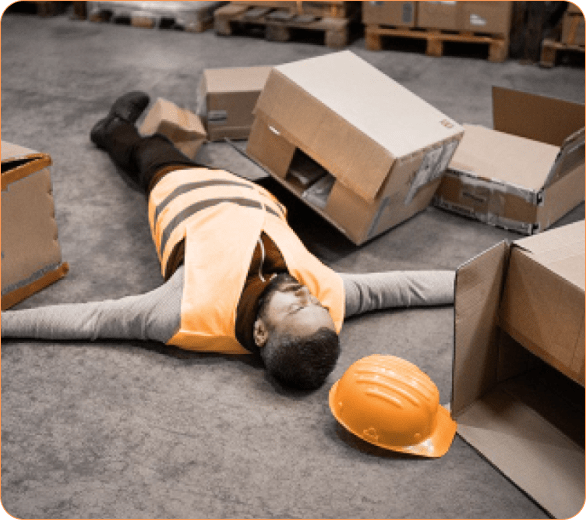
Workers’ compensation insurance helps pay for medical treatment, lost wages, and other covered benefits when an employee suffers a work-related injury or illness.
In Florida, construction businesses with at least one employee are required to carry workers’ compensation insurance. Florida’s construction industry has different rules for independent contractors. Sole proprietors who work in construction are generally treated as employees under the state’s workers’ compensation law. This means they may need to carry workers’ compensation insurance even if they work for themselves.
Contractors are also responsible for making sure their subcontractors have the required workers’ compensation insurance before work begins. Failure to verify subcontractor coverage can lead to financial penalties.
Failing to have worker’s compensation in Florida may lead to a Stop-Work Order. This order can require an employer to stop all business operations in the state. A Stop-Work Order can also be issued if an employer understates payroll or misrepresents employees to reduce its insurance costs.
Certain owners and officers in construction businesses can apply for an exemption from Florida’s workers’ compensation requirements if they meet the following requirements:
An exemption means the approved owner or officer is not covered by workers’ compensation through the business. This can reduce the cost of coverage, but the exempt person would not receive workers’ compensation benefits if they are injured while working.
Commercial auto insurance covers vehicles used in the business. For contractors, that may include pickup trucks, vans, service vehicles, or other automobiles used to move workers, tools, and materials between locations.
In Florida, commercial auto coverage is required for vehicles used for business purposes. If you cause an accident while working, business auto coverage will protect you and your vehicle. The minimum coverage depends on the type and weight of the vehicle and how it is used. For most standard commercial vehicles under 26,000 pounds, Florida’s basic requirements are:
These are known as Florida’s 10/20/10 minimums. The required limits can be higher depending on the vehicle’s weight, passenger capacity, and the type of service it provides. Florida is a no-fault state, so registered vehicles must also carry $10,000 in Personal Injury Protection (PIP). Unlike many states, Florida does not require bodily injury liability for standard commercial vehicles.
Driving a business vehicle without the required insurance can lead to fines and other penalties. Florida’s penalties can increase for repeat offenses, so contractors should make sure their vehicles carry the coverage required for their specific type of business use.

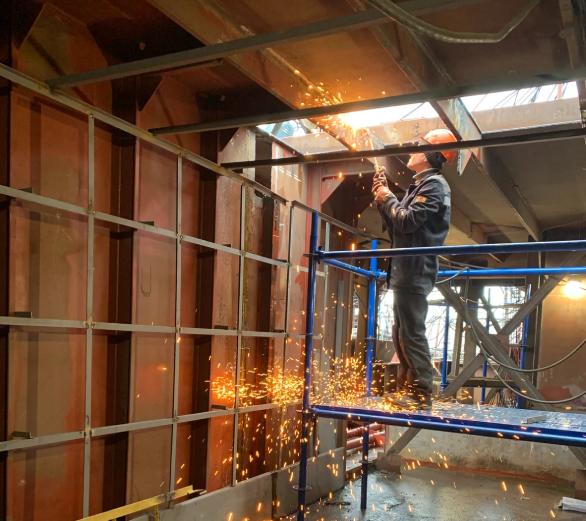
Builder’s risk insurance protects buildings and structures while construction is still in progress. In Florida, it can help cover damage to a structure under construction from causes such as fire, lightning, explosion, vandalism, theft, and certain weather events.
Depending on the contract and policy, it may include other stakeholders including property owners, lenders, general contractors, subcontractors, and design professionals tied to the work. Builder’s risk insurance focuses on the project property itself during the construction phase. This can include:
Some policies can be extended to cover scaffolding, building forms, or debris removal after a covered loss. The exact terms depend on the carrier and the job.
Inland marine insurance covers certain tools, equipment, materials, and other business property while they are being transported or stored away from your main business location. For contractors, inland marine insurance is used to cover tools, equipment, materials, or other business property while those items are in transit or stored away from the main business location.
Although it is not required by law, inland marine insurance is useful for contractors who move valuable property between jobsites or keep materials and equipment at temporary locations. A standard commercial property policy may not fully protect those items once they leave the insured premises. Theft, collision, and accidental damage during transit are among the losses this policy may help cover.


Commercial umbrella insurance gives a contractor extra liability protection after the limits of certain other insurance policies have been reached. If a large claim goes past the limit of general liability, commercial auto liability, or employer’s liability coverage, umbrella insurance may help absorb the amount above that limit, up to the umbrella policy maximum.
For a contractor, this extra layer can be valuable on larger jobs. A serious injury claim, major vehicle loss, or large property damage case can rise well past the limit carried on the primary policy, which can jeopardize a company’s financial stability.
Subcontractor default insurance (SDI), also known as SubGuard, protects general contractors from certain financial losses when a subcontractor fails to complete its work or becomes unable to perform the contract. The general contractor purchases the policy and is responsible for selecting the subcontractors covered by the program. SDI is not required by Florida law, but a contract may require this type of coverage.
For example, if a plumbing subcontractor fails to complete its work, the general contractor may have to hire another plumber to finish the project. Depending on the policy, SDI may cover certain costs related to the situation, including the additional cost of completing the subcontracted work and some resulting losses.
SDI is usually used by larger general contractors. Insurance companies may require a contractor to have a large amount of subcontractor work before offering this coverage.
Smaller contractors that do not qualify for SDI may use subcontractor performance bonds or other contract-based protections instead. Performance bonds can provide financial protection when a subcontractor defaults, although the claims process and responsibilities differ from SDI.
Wind and hurricanes can damage a construction project before the building is finished. The right coverage can determine what costs the contractor must pay after a storm.
Builder’s risk insurance can cover certain physical damage to a building under construction, including some materials at the jobsite or in transit. However, wind and hurricane claims may have a separate deductible based on a percentage of the insured project value. This can result in a much higher out-of-pocket cost after a major storm.
Contractors also should not wait until a storm is approaching to change their coverage. Insurance companies may stop issuing new coverage or making certain policy changes once a tropical storm or hurricane watch is announced.
Flood and storm surge are another important consideration. Builder’s risk may cover certain wind damage, but flood and storm surge are often excluded and may require separate coverage. This is especially important for construction projects in coastal areas.
Florida contractors who perform hurricane mitigation work may also help property owners qualify for wind-mitigation discounts on their property insurance. These discounts generally apply to the property owner’s policy, not the contractor’s general liability insurance.
The coverage a Florida contractor needs depends on the type of work, employees, vehicles, subcontractors, and project requirements. When an accident or loss occurs, it may not always be clear which policy should respond or which party is responsible for the claim. Our team can help identify the coverage needed for your business and provide a quote.
We can help coordinate coverage across the project. Additional insureds can be added to general liability, workers’ compensation, excess liability, and builders’ risk policies when required.
Our team can help you find coverage that fits your business and project requirements. Call (888) 973-0016 or request a free quote to discuss your options.
We Have Florida Covered
Get answers to your most common questions from Contractors Liability
The insurance a Florida contractor needs depends on the type of work, employees, vehicles, and project contracts. Construction businesses with employees generally need workers’ compensation, and business vehicles must carry the coverage required for their use. General liability, builder’s risk, and other policies may also be needed to meet client or project requirements.
Yes. Florida construction businesses with at least one employee are generally required to carry workers’ compensation insurance. The coverage helps pay for medical treatment, lost wages, and other benefits after a covered work-related injury or illness. Contractors should also verify subcontractor coverage because missing proof of insurance can create additional costs and compliance issues.
Yes. Small construction businesses need insurance to meet applicable legal requirements, meet client or contract requirements, and help cover costs if accidents or property damage occur. In Florida, construction businesses with at least one employee generally must carry workers’ compensation, and business vehicles must carry the coverage required for their use. General liability can help pay for covered third-party injury or property damage claims, while inland marine can protect eligible tools and equipment. The right coverage depends on your trade, employees, vehicles, and the projects you take on.
Hurricane damage coverage depends on the policy and the cause of the loss. Builder’s risk may cover certain wind damage to a building under construction, but a separate hurricane deductible may apply. Flood and storm surge are often excluded and may require separate coverage. Review the policy terms before a project begins, especially for work in coastal areas.