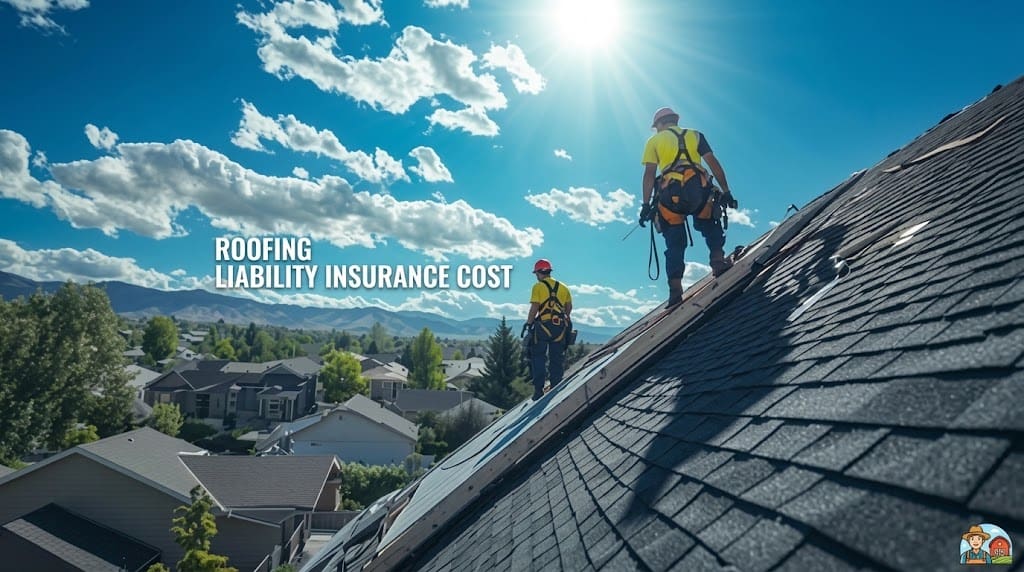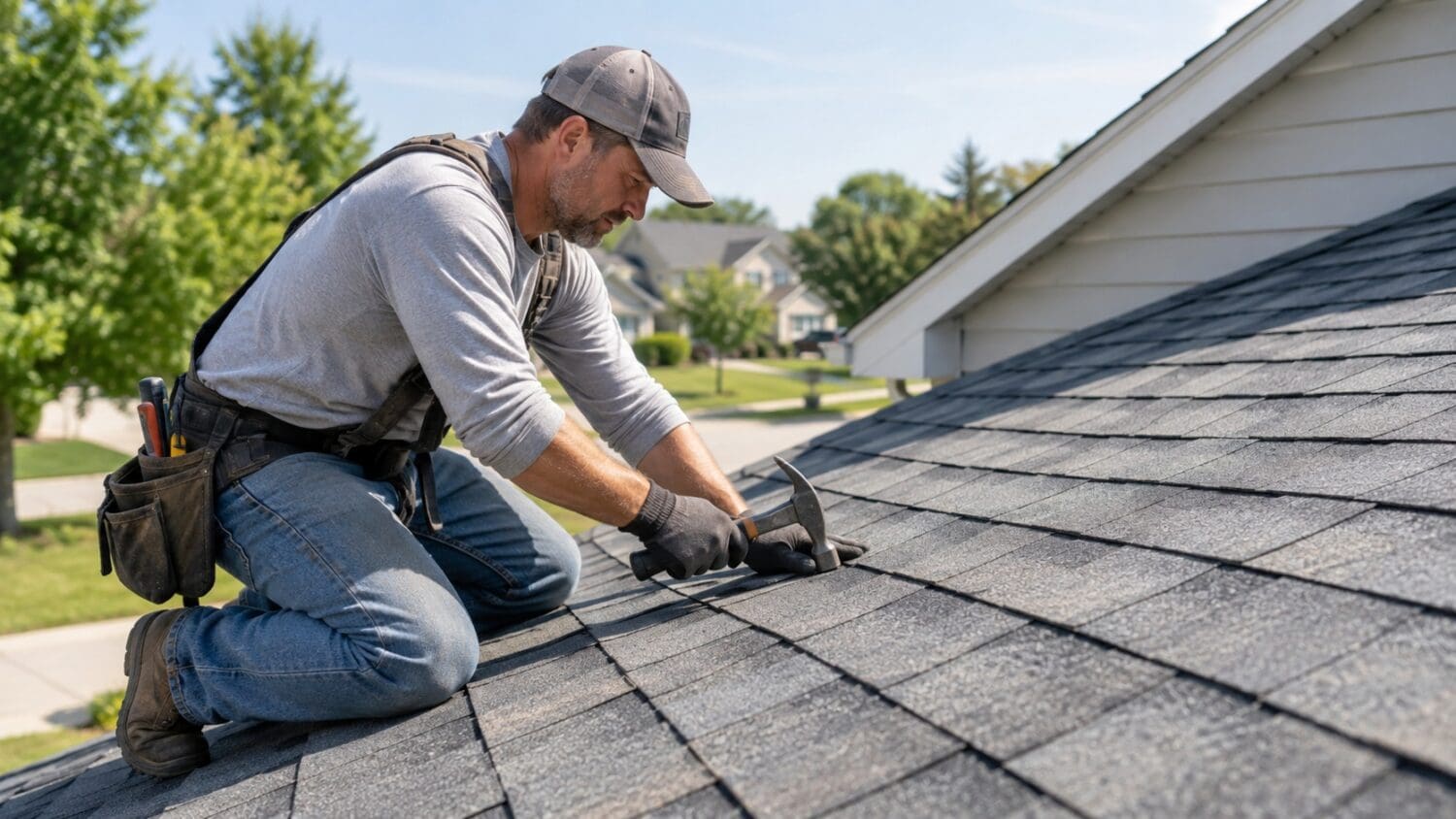
Why is roofing insurance expensive (and how to reduce costs)
A roofing company replacing shingles on one-story homes does not look the same to an insurer as a crew handling commercial flat roofs, hot work, and multi-story projects. Both businesses may call themselves roofing contractors, but the jobs behind that description are very different.
That difference helps explain why roofing insurance is expensive compared with coverage for many other contractor trades. Roofers can face serious falls, damage customer property, and receive claims after a project is finished. Subcontractors add another layer for the insurer to consider.
This guide explains what insurers see behind the quote and which parts of the premium a roofing company may be able to influence.
Why is roofing insurance expensive?
One reason why roofing insurance is expensive is that the trade combines work at height with the possibility of employee injuries, customer property damage, and claims connected to finished work. The amount and type of roofing performed also matter, so a larger commercial operation will usually present more exposure than a small residential repair business.
The latest Insureon data reports about $317 per month or $3,808 annually for roofing general liability policies purchased through its marketplace. That is a benchmark, not a standard price for every company.
General liability is only one part of the bill. A complete roofing contractor insurance package may also include workers’ compensation, commercial auto, tools coverage, or an umbrella policy.
What insurers consider when pricing roofers
An insurer looks past the company name to the work and loss history behind it. That is why roofing contractor insurance rates can vary between businesses that appear similar at first.
Height and roofing methods
A contractor replacing asphalt shingles on one-story homes presents a different jobsite exposure than a company installing commercial flat roofs several stories up. Insurers may look at roof pitch and maximum working height. Lifts, torch-down roofing, or structural repairs can also affect the companies willing to provide a quote.
Most roofers cannot remove height or specialized methods from the business. Clear details tell the insurer more about the job than calling every project “general roofing.”
Revenue and crew size
Revenue shows how much roofing work the company performs. Payroll and crew size show how many employees face roofing hazards. A $150,000 contractor should not expect the same roofing contractor insurance cost as a multi-crew company completing several million dollars in projects.
Growth is a good problem to have. Using last year’s figures after adding crews or landing larger contracts can make the initial quote less useful and lead to an adjustment later.
Subcontractors and certificates
Many roofers use subcontractors to handle busy seasons, specialized work, or larger projects. Insurers want to know how much work is subcontracted, what those companies do, and if they carry their own insurance.
This is where roofers often get caught. If a quote ignores a large subcontractor budget, it probably is not a useful quote yet. Missing certificates of insurance can also become an issue during a premium audit.
Collecting the paperwork before a subcontractor reaches the jobsite is much easier than rebuilding the file months later.
Claims and local insurance markets
Prior claims show an insurer how earlier jobs have gone. A roofer cannot erase a loss, but the company can document changes made afterward, such as new fall-protection training, ladder checks, or tighter subcontractor screening.
Location affects both price and availability. Our published roofing rate table shows some insurers providing a price in states where others show no coverage. That is what insurance professionals mean by insurer appetite: the types of businesses an insurer wants to cover.
One insurer saying no does not mean the entire roofing market will respond the same way.
Why roofing insurance gets expensive
Claim severity also helps explain why roofing insurance is expensive. One roofing operation can expose employees to injury, damage customer property during the job, and cause problems after the crew leaves.
Why falls carry such heavy risk
Roofers regularly work above ground using ladders, lifts, and scaffolding. A serious employee fall can involve medical care and time away from work. Severe cases may also require rehabilitation through workers’ compensation.
A general liability benchmark does not include workers’ compensation for the crew. The total insurance package can therefore be much higher than the general liability number alone.
The ripple effect of a damaged property
Roofing work happens on and around property the contractor does not own. A ladder can break a window, debris can damage a parked vehicle, and a dropped tool can strike landscaping or equipment below. An open roof can also allow water into the building if weather changes before the area is secured.
General liability insurance for roofers may respond to certain covered third-party property damage claims. The cause of the damage and the policy terms determine how a specific claim is handled.
What can go wrong after you’ve left
Some roofing problems do not become visible until the next heavy storm. A flashing or installation issue can allow water into ceilings, walls, flooring, inventory, or equipment long after the invoice was paid.
Completed operations is the part of general liability that may apply to certain covered claims connected to finished work. It does not automatically pay to remove and replace the roofer’s faulty work itself. The cause, exclusions, and completed-operations terms all matter.
Why roofing insurance is more expensive than other companies
Part of why roofing insurance is so expensive for one company and not another comes down to the profile behind the online average. It may represent a business with fewer employees, lower revenue, or less commercial work than yours. The $317 monthly Insureon benchmark is useful context, but it does not tell a multi-crew commercial roofer what its policy should cost.
If your quote is much higher than the number you found online, compare the business and coverage behind it before deciding you are overpaying. Taller projects, additional payroll, and hot work can move a company above the benchmark. Subcontractors or extra contract endorsements may push it higher again.
Our guide to roofing liability insurance costs provides a closer look at current pricing. This article stays focused on why those differences happen and what a roofer can do about them.
What roofing costs you can and can’t control
Some roofing insurance cost factors come with the trade. Others depend on how the company operates, documents its work, and shops for coverage. This breakdown separates fixed realities from areas where better information or risk management may help.
|
Pricing factor |
Your influence |
Practical response |
|
Roofing trade and state |
Limited |
Compare insurers available for roofers in your location |
|
Height and job types |
Business-dependent |
Describe maximum height and regular operations accurately |
|
Revenue and payroll |
Business-dependent |
Use realistic estimates and report major changes |
|
Subcontractors |
Moderate |
Screen subcontractors and maintain current records |
|
Claims and safety |
Improves over time |
Document training and changes made after a loss |
|
Classification |
High |
Confirm that every regular roofing operation is listed |
|
Insurer selection |
High |
Compare companies that actively cover your type of roofing |
The goal is to remove pricing problems caused by incomplete information, poor records, or an insurer that is not competitive for the work.
How roofers cut their coverage costs
Accurate work details, realistic estimates, and current subcontractor records can improve a quote. So can safety documentation and an insurer familiar with roofing. None guarantees a specific discount.
Describe the roofing work accurately
Tell the insurer how much residential and commercial work the company performs. Include regular repairs, hot work, structural operations, and maximum height. Every regular service should appear on the application.
Leaving higher-risk work off the application may produce a lower number, but that number does not reflect the company operating on the jobsite. Accurate classifications make roofing contractor insurance rates easier to compare.
Use realistic business estimates
Sales, payroll, and subcontractor costs should reflect what the company expects during the policy year. Some policies are audited after the term ends, which means the insurer compares the estimates with the actual figures.
Understating activity can create an additional bill later. Telling the insurer about a major new contract, added crew, or new service during the year can also make the final roofing contractor insurance cost easier to anticipate.
Keep subcontractor records current
Collect certificates before work begins and track expiration dates. Written agreements can help document responsibilities, and organized payment records make an audit easier to complete.
Good paperwork does not guarantee a lower premium. Missing paperwork can still create avoidable problems if the insurer cannot confirm that subcontractors maintained their own coverage.
Show how the company manages risk
Training records and ladder inspections help show how the roofing company handles known hazards. Equipment checks or written jobsite procedures can add useful support. After a claim, document the changes made to prevent the same loss from happening again.
Insurers still make their own pricing decisions, but clear records give them more than an application and an old claim report to evaluate.
Compare insurers that cover roofers
Different insurers can view the same roofing operation differently. One may be comfortable with residential replacements but avoid hot work. Another may consider commercial roofing in a state where competing insurers will not offer terms.
Contractors Liability works specifically with contractor businesses. We can help compare insurers based on the roofing methods and project heights involved, along with the company’s use of subcontractors.
Avoid savings that can backfire
Some changes lower the number on the first page without improving the value of the policy. Avoid:
- Underreporting revenue or payroll.
- Leaving subcontractor costs off the application.
- Describing roofing work too narrowly.
- Choosing limits that do not satisfy contracts.
- Ignoring restrictions that affect regular operations.
A cheap policy can still be a good policy. The problem is a low price based on missing information or coverage that does not fit the work.
Set yourself up for the best possible quote
Roofing carries exposures that lower-risk trades do not face, which is a big part of why roofing insurance is so expensive compared with other contractor coverage. Height and serious employee injuries can raise the premium.
Customer property, subcontractors, and finished work add more exposure. Some costs come with the trade, while better records or a stronger insurer match may improve others. The final quote should make sense for the policy and the projects ahead.
Contractors Liability works with roofers across different project types and working heights. We also account for crew size and subcontractor use when comparing policies for the company operating on the jobsite.
Get a free roofing insurance quote based on your needs.
Roofing insurance cost FAQs
Roofing insurance costs more because roofers work at height and can face severe employee injuries or customer property damage. Subcontractors and claims connected to finished work create additional exposure. Company size, project type, and location can also move the premium higher or lower.
Yes, it can. Insurers may consider maximum working height, roof pitch, and the use of lifts or scaffolding. Greater height can increase the potential severity of falls and falling-object claims, although each insurer has its own guidelines for the roofing work it will cover.
Subcontractors can affect pricing based on the amount of work subcontracted, the operations they perform, and the insurance they carry. Current certificates, accurate subcontractor costs, and organized agreements help the insurer understand that exposure.
An audit may increase the final premium when actual sales, payroll, or subcontractor costs exceed the estimates used at the beginning of the policy. Missing subcontractor certificates may also affect how the insurer treats payments made for subcontracted work.
Roofers may lower costs through accurate classifications, realistic business estimates, and current subcontractor records. Documented safety procedures and insurers that actively cover roofing businesses may also help. Cutting limits or leaving regular work off the application can create larger problems later.