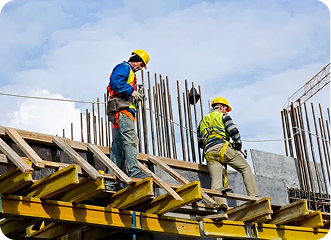
General contractors face liability risks on every job. A customer, subcontractor, or other third party could be injured on the worksite, or the contractor could accidentally damage someone’s property. General liability insurance for contractors can help pay for covered claims, legal costs, and property damage.

General contractor insurance is a group of insurance coverages that helps protect contractors from the risks that come with running a construction business. General contractors need insurance because accidents, property damage, injuries, and other unexpected events can lead to expensive claims. Insurance can help cover these costs and protect the business from financial losses.
Insurance may also be required to meet state requirements, licensing rules, or contract requirements. The specific coverage a contractor needs depends on the type of work they do, where they work, and the requirements of their projects.
Here are some situations that would not be protected by general liability insurance coverage.

Workers compensation is the insurance needed to protect employees when they get hurt on the job.
Example: An employee from your general contracting company falls from a ladder while installing siding and breaks their leg. This is not covered by general insurance.
General liability insurance does not cover damages or injuries resulting from intentional acts.
Example: An employee gets mad at a customer and drives a bulldozer into the side of their house, your business liability coverage would not cover the damages if they sue.
Errors and omissions insurance or professional liability insurance offers coverage for professional mistakes.
Example: A client claims that your advice or professional service caused them to lose money. Professional liability insurance may help cover the claim and related legal costs.
Referred to as the “workmanship or warranty” exclusion. General liability insurance generally does not cover the cost of fixing your own faulty work.
Example: You install a new roof but do not properly attach the shingles. High winds cause the shingles to come off 60 days later. The cost to repair the faulty roofing work is generally not covered.
Commercial auto insurance policy cover the vehicles used in your business.
Example: A contractor’s work truck causes an accident while traveling to a jobsite. Commercial auto insurance may cover the resulting damages and injuries.
Punitive damages are money a court orders someone to pay as a punishment for especially wrongful or reckless confuct.
Example: A contractor knowingly ignores a safety issue, and someone is injured. A court may award punitive damages to punish the contractor.
Only 5 minutes of your valuable time. We can often get same day coverage.
The cost of general contractor insurance depends on your annual revenue, payroll, type of work, subcontractor exposure, claims history, and the state where your business operates. The estimates below provide a general idea of what contractors can expect to pay for general liability insurance.
| Annual Revenue | Estimated Annual Premium | Estimated Monthly Cost |
|---|---|---|
| $50,000 | From $750 | $63/mo |
| $100,000 | From $1,000 | $84/mo |
| $150,000 | From $1,500 | $125/mo |
| $250,000 | From $2,500 | $209/mo |
| $500,000 | From $5,000 | $417/mo |
| $750,000 | From $7,500 | $625/mo |
| $1,000,000 | From $10,000 | $834/mo |
Disclaimer: These pricing examples are estimates for informational purposes only. Actual premiums vary based on payroll, subcontractors, coverage limits, claims history, project type, and underwriting guidelines.
Every contracting business has unique insurance needs. Whether you’re a small contractor or a larger firm, we offer customized plans that match your specific risks. Our team will assess your situation and ensure you’re not overpaying for unnecessary coverage.
We provide coverage for high-risk projects, tools, and equipment, with tailored plans including general liability and builders’ risk insurance. Need additional insureds for contracts? We’ve got that covered too.
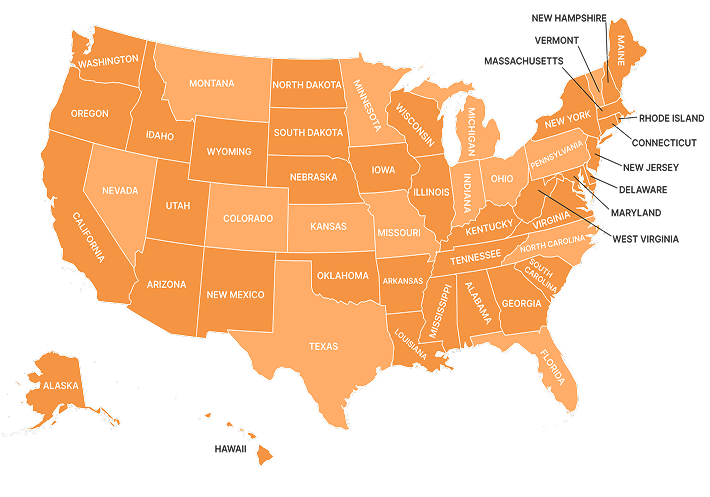
Compliance with state and industry rules is essential in construction to avoid legal issues and secure contracts. Missing required insurance can lead to lawsuits, fines, or losing bidding opportunities.
Our insurance options are designed to help contractors meet these regulations, whether you are working on residential jobs or large public projects. We offer mandatory coverages, such as builders’ risk and additional insured clauses for government projects.
Flexible payment plans help manage your budget, so insurance remains affordable as your business grows and evolves.
Let us handle your coverage, so you can focus on expanding your business with peace of mind.
Don’t wait for trouble. Contact us today for a free quote, or call for a personalized consultation.
We’ll guide you to the best coverage, whether it’s general liability, workers’ compensation, or builders’ risk insurance.
It is difficult to calculate the exact value of general contractor general liability insurance because no two general contractors do exactly the same type and amount of work. However, at ContractorsLiability.com we make sure your liability insurance requirements are being met.
These are the main factors in how insurance companies determine your premium.


We will need the exact name of the business along with whether you are a sole proprietorship, partnership, corporation, or LLC. We would also need any DBA you may use.

Do you do residential or commercial work? If you do both, what are the approximate percentages of each type of work?
Do you focus on new construction, remodeling, or both? If you do both, what percentage of your work involves new construction and what percentage involves remodeling?

If you have been in business for a while we will need what is called loss runs, which are details of any previous claims. These can be obtained from your previous insurance company. At Contractors Liability we can help you obtain these if you want us to do so.
If you are a new company, do not worry. We specialize in getting general contractors general liability coverage for new companies. The only thing we would need is a little information on your work experience in the construction industry.

If you use sub-contractors, it is a best practice to always require them to provide you a certificate of insurance naming your business as an additional insured before you allow them access to the job site?
Requiring subcontractors to carry their own insurance can help protect your business. Their payments may not count toward your revenue during an insurance audit, and claims caused by their work may be handled under their policy instead of yours. This can help prevent claims from increasing your insurance premiums.

If your state requires general contractors to be licensed, you will be required to provide your license number or a copy of your license.

You will need to review and sign the application and send it back.

Insurance companies use your business’s gross receipts to help determine your premium. You generally need to provide your gross receipts from the past 12 months and estimate the next 12 months. It is best to provide a realistic estimate rather than intentionally underestimating your revenue.
After the policy period ends, the insurance company may conduct an audit to compare your actual revenue with your estimate. If your actual revenue is higher than estimated, you may receive a bill for the additional premium.

The lowest limit general contractor general liability insurance policy we sell is $1,000,000 occurrence $2,000,000 aggregate. This is the standard industry amount.
Some states allow for lower limits, but the savings are too small to justify issuing those policies. For example, a $300,000 occurrence $600,000 aggregate policy will only result on average less than $50 per year in premium. It is not worth the risk to save a few bucks.

In some instances, you may need higher limits as a result of contractual obligations. These higher limits will be found in the insurance section of any contract you are negotiating. It is always best to forward this section to your agent so that they can get you exactly the coverage the contract calls for.

At ContractorsLiability.com we offer a number of convenient payment options for your general contractors general liability insurance policy. We can accept debit cards, credit cards, and checks. We have a number of financing options as well. We will work with you to get you set up with the payment plan that is right for your business.
At ContractorsLiability.com we make it easy to get cheap and affordable general contractors general liability insurance. We will be able to issue your certificates of insurance right away so you can get to work.

We would need to know the number of employees in the business and your payroll.
This block answers common concerns while using relevant keywords like “contractors liability insurance,” “workers’ compensation,” and “builders risk insurance.”
The cost of general contractor insurance varies significantly based on risk exposure, but a typical small-to-midsize construction business can expect to pay between $1000 and $3,000 annually for a comprehensive protection package.
Commercial General Liability (CGL) insurance specifically protects construction businesses against third-party lawsuits involving bodily injury, property damage, and personal/advertising injury occurring during your operations.
Yes, specific lines like Workers’ Compensation are legally required by state law, while Commercial General Liability is contractually mandated by licensing boards, municipal permit offices, and project owners. You cannot pull building permits or enter a commercial jobsite without a valid Certificate of Insurance (COI) matching these strict thresholds. Operating uninsured risks immediate license revocation, severe state regulatory fines, and total personal liability for third-party claims.
You need General Liability for third-party claims, Workers’ Compensation for employee injuries, and Commercial Auto for work vehicles. Additionally, secure Builders Risk for active jobsites, Inland Marine for mobile tools, and Professional Liability for design or consulting errors.
Your coverage depends on your specific trade risk, annual payroll, and client contract mandates. While a simple operation might only need basic general liability, expanding businesses or specific projects require Workers’ Comp, Inland Marine, or Builders Risk. Our agency audits these exact exposures to cross-shop top carriers, ensuring you never pay for unnecessary overhead.

Just read and in 30 minutes you will know everything about insurance.