Landscaping businesses deal with risks involving equipment, vehicles, employees, and customer property. A mover can damage a sprinkler system, a worker can get hurt on the job, or a company vehicle can be involved in an accident.
Business insurance for landscapers includes the policies a landscaping business may need based on its services, employees, vehicles, equipment, and contracts. General liability is one part of this coverage. Workers’ compensation, commercial auto, and equipment coverage may also be needed.
The right insurance depends on the work your business performs and the risks it takes on. A lawn maintenance company may have different insurance needs than a business that also provides tree work, irrigation, hardscaping, or landscaping design.
The landscaping industry is fraught with unique challenges that can result in unforeseen expenses. Without adequate insurance, a single accident could lead to significant financial losses, jeopardizing your projects’ timelines and budgets. Landscaping insurance offers vital protection against:
Landscaping businesses work outdoors, move between job sites, operate powered equipment, drive business vehicles, and work around homes and other properties. These activities can create risks for your business, employees, customers, and members of the public. Common risks include:
These risks do not all fall under the same insurance policy. A landscaping business may need several types of coverage to address different parts of its daily operations.
Insurance for landscapers is not one policy that covers every business risk. A landscaping company may need general liability, workers’ compensation, commercial auto, or equipment coverage depending on its employees, services, vehicles, equipment, and contracts.
General liability insurance protects your business against lawsuits if someone suffers an injury or property damage occurs while you’re working. It may also cover certain personal and advertising injury claims, depending on the policy.
Landscaping work can involve heavy equipment, lifting, digging, and other physical tasks that create workplace injury risks. Workers’ compensation insurance ensures that if a work-related accident happens, it covers your employees’ medical expenses and lost wages. This protects your staff and helps you comply with state regulations.
Landscaping businesses often use pickup trucks, vans, trailers, and other vehicles to transport employees, equipment, plants, materials, and supplies. Commercial auto insurance covers vehicles used for business purposes from accidents, theft, or other incidents involving your company’s vehicles.
Mowers, trimmers, chainsaws, blowers, and other equipment can be expensive to replace. General liability typically does not cover damage to or theft of equipment your business owns. Inland marine insurance or equipment coverage may help protect tools and equipment while they are being transported or used at job sites, depending on the policy.
Landscaping businesses that provide design, planning, consulting, or similar professional services may have different risks from businesses that only perform lawn maintenance.
Professional liability insurance may help with certain claims alleging that a professional service or advice caused a financial loss. Whether this coverage is appropriate depends on the services your business provides.
Landscaping businesses that apply pesticides, herbicides, fertilizers, or other chemicals may have additional insurance needs. Depending on the work and policy, a landscaping business may need a specific endorsement or pollution liability coverage for risks such as chemical drift, overspray, runoff, or contamination.
Only 5 minutes of your valuable time. We can often get same day coverage.
A strong insurance plan helps a landscaping business deal with common job risks, contract demands, and claim costs. It can also help a business keep working after an accident instead of paying large costs out of pocket. Here’s what we provide:

We collaborate with leading insurance providers to offer competitive coverage options with annual premiums that can start around $975–$1,900 for some landscapers, depending on your trade, payroll, claims history, and coverage limits. Larger operations, higher-risk services, multi-crew businesses, and broader protection will usually cost more. Price matters, but so do exclusions, endorsements, and how well the policy fits your work.
Our specialists understand the specific risks faced by landscaping professionals and will customize insurance policies to fit your needs, covering everything from general liability to workers’ compensation.
In the landscaping sector, efficiency is key. Our insurers expedite claims processing, enabling you to resolve incidents quickly and resume work without prolonged interruptions.
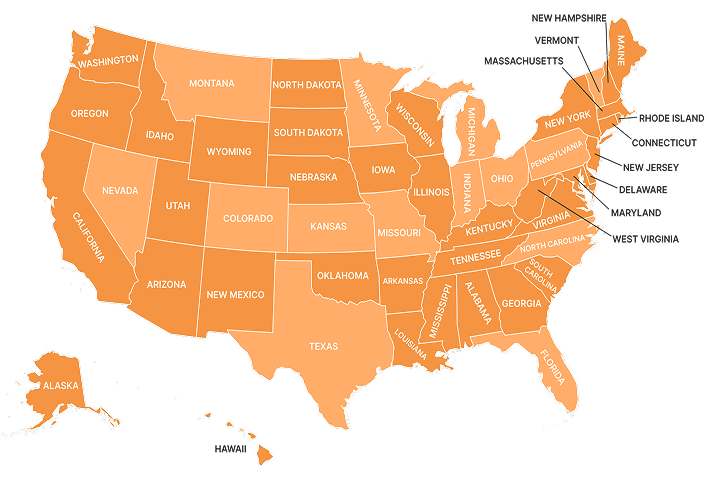
Insurance rules differ by state and by job type. Workers’ compensation rules, commercial auto requirements, and contract insurance clauses can all affect which insurance policies a landscaping business needs. State-specific guidance helps businesses check legal requirements and client expectations before work starts.
Cash flow can change during the year, especially for seasonal businesses.That’s why we offer adaptable payment options that align with your cash flow, whether on a quarterly or annual basis.
Talk to a real agent, not a voicemail. Certificates of insurance in under 4 hours, with bilingual support every day of the year.

In only 5 minutes of your valuable time. We can often get same day coverage.
General liability is one of the most common types of insurance for landscaping businesses. It covers certain third-party claims involving bodily injury, property damage, and personal and advertising injury.

General liability may help cover claims when a third party is injured because of your business operations and your business is legally responsible.
Example: A crew member using a trimmer sends debris into someone nearby, causing an injury.

General liability may include coverage for certain offenses such as libel, slander, copyright-related claims in advertising, or other covered offenses, depending on the policy.
Example: Your landscaping company uses copyrighted material in an advertisement without permission and faces a covered claim.

General liability may cover certain damage your business causes to someone else’s property.
Example: Your crew accidentally cuts an irrigation line while working in a customer’s yard.

Some general liability policies include medical payments coverage for certain minor third-party injuries, subject to the policy limit and terms.
Example: A customer visiting a job site is injured after tripping over equipment.

Any injury made to the reputation of a third party based on the negative effects of the work you’ve done.
Example: Your company laid fish-based fertilizer in a client’s garden bed that is adjacent to an outdoor café. The smell of the fertilizer caused a lull in sales to the outdoor café.
General liability is a common starting point when comparing insurance for landscapers.
The table below shows sample annual premiums for landscaping general liability insurance with $1 million per occurrence and $2 million aggregate limits. These figures represent general liability coverage and do not include the cost of other policies a landscaping business may need.
| State | Coverage | Guard | Travelers | Liberty Mutual | Attune | Nation Wide | Tokio Marine |
|---|---|---|---|---|---|---|---|
| IL | 1M/2M | $1,375 | $1,500 | $1,325 | $1,400 | $1,275 | $1,375 |
| IN | 1M/2M | $975 | $1050 | $985 | $980 | $1025 | $1000 |
| CA | 1M/2M | $1,440 | $1,760 | $1,230 | $1,600 | $1,436 | $1,600 |
| PA | 1M/2M | $1,225 | $1,350 | $1,200 | $1,275 | $1,225 | $1,275 |
| WA | 1M/2M | $1,525 | $1,675 | $1,550 | $1,600 | $1,750 | $1,575 |
| GA | 1M/2M | $1,070 | $1,140 | $1,035 | $1,065 | $1,010 | $1,095 |
| CO | 1M/2M | $1,384 | $1,536 | $1,348 | $1,406 | $1,384 | $1,384 |
| TX | 1M/2M | $1,100 | $1,120 | $1,033 | $1,000 | $1,085 | $1,040 |
| LA | 1M/2M | $1,100 | $1,275 | $1,150 | $1,125 | $1,200 | $1,300 |
| FL | 1M/2M | $1,290 | $1,250 | $1,270 | $1,280 | $1,300 | $1,560 |
| NY | 1M/2M | $1,890 | $1,880 | $1,880 | $1,900 | $1,850 | $1,500 |
Annual premium above includes unlimited certificates of insurance.
These rates assume $50,000 – $100,000 gross revenues for landscaping/general contracting with 10% subcontractor costs.
Actual premiums vary by business and are subject to underwriting approval.
Insurance costs vary based on the business and the coverage it needs. Factors that can affect premiums include:
A landscaping company that only provides lawn maintenance may have different insurance costs from a company that also performs tree removal, irrigation, hardscaping, chemical application, or other higher-risk work.
The cost of general liability also differs from the cost of a complete landscaping insurance program. A business that adds workers’ compensation, commercial auto, equipment coverage, or other policies will have additional premiums.
How Can I Lower My Landscaping Insurance Rate?
Most landscaping insurance is dependent on a mix of information about your company, which means that insurance companies will almost always provide your company with the best rate. However, if you need more insurance coverage than just landscaping insurance (most companies do), insurers like Contractors Liability can help bundle rate-saving packages together, getting you the most coverage for your money. Landscaping is hard work. Let us reward your commitment to bringing beauty back into nature with the coverage you deserve. For more information about how to get yourself covered, call us at (888) 973-0016.
Customers, general contractors, property managers, and other parties may require a landscaping business to provide a certificate of insurance before work begins.
A certificate of insurance is a document taht shows your coverage is active. It summarizes certain coverage information, such as policy limits and policy periods. It does not change the insurance policy itself. Many landscapers are asked to provide a COI before starting work, entering a jobsite, or signing a contract.
A contract may also require the landscaping business to name another party as an additional insured or provide other policy provisions. Those requirements should be reviewed before the work begins to make sure the policy can meet the contract’s requirements.
If you use subcontractors, their insurance should be reviewed separately from your own coverage.
A landscaping business may require subcontractors to provide a certificate of insurance and maintain appropriate coverage before beginning work. Contract requirements may also require additional insured status or other endorsements.
The exact requirements depend on the contract, the work being performed, and the policies involved.
The insurance a landscaping business needs depends on the work it performs and the risks involved.The table below shows common landscaping activities and the types of insurance that may apply to each one.
| Business activity or risk | Coverage to consider |
|---|---|
| Work on customers’ property | General liability |
| Employees performing landscaping work | Workers’ compensation |
| Company trucks, vans, or other business vehicles | Commercial auto |
| Expensive mowers, trimmers, and other equipment | Equipment or property coverage |
| Landscaping design or consulting | Professional liability |
| Chemical application | Review chemical or pollution coverage |
| Subcontracted landscaping work | General liability and appropriate subcontractor insurance |
| Work required to meet a client’s insurance requirement | Required limits, certificates, and endorsements |
What Isn’t Covered by Landscaping Insurance?
A landscaping business may need general liability, workers’ compensation, commercial auto, and tools and equipment coverage. Businesses that provide design services or apply chemicals may need additional protection. The right policies depend on the work performed, employees, vehicles, equipment, and contract requirements.
Not always. General liability can address certain third-party injury and property damage claims, but it does not replace workers’ compensation, commercial auto, or coverage for your own equipment.
It may cover eligible third-party bodily injury, property damage, and certain personal and advertising injury claims. Coverage depends on the policy’s terms, conditions, limits, and exclusions.
A customer, general contractor, property manager, or other party may require a certificate of insurance before allowing a landscaping business to begin work. Contract requirements may also require specific limits or endorsements.
The cost depends on the coverage your business needs, revenue, payroll, services, location, claims history, vehicles, equipment, and other factors. The sample rates above are for $1 million/$2 million landscaping general liability coverage and do not represent the cost of a complete insurance package.
Just read and in 30 minutes you will know everything about insurance.