
Every time a roofer climbs a ladder, balances along a ridge, and braces against the wind with tools in hand, the stakes are high. One misstep could trigger more than an injury, it could jeopardize the future of the entire roofing business. This type of insurance isn’t just paperwork. It’s a shield against lawsuits, medical costs, weather damage, and project delays. Not having the right coverage invites financial disaster; having it means legal protection, uninterrupted operations, and peace of mind for everyone on the job site. Do you know what policies your crew legally needs or how much risk you’re actually carrying on that next rooftop?
Types of Roofing Business Insurance: What Roofers, Contractors, and Business Owners Need to Protect Their Business
Roofing contractors face more risk exposure than most other trades in the construction industry. Projects involve heights, heavy equipment, unpredictable weather, and liability for everything from faulty installations to injured workers. Each type of policy coverage serves a specific function to mitigate these risks. Here’s how the main types of roofer’s liability insurance protect your business from financial loss, lawsuits, and project delays.

General Liability Insurance
This policy covers third-party claims for bodily injury, property damage, and advertising injury. If a homeowner trips over a nail gun left on their property or a falling tile damages a client’s vehicle, general liability will respond to the claim. It also includes legal defense costs. Carriers typically offer this coverage on a per-occurrence basis with aggregate limits; standard limits for roof specialists range from $1 million per claim to $2 million yearly aggregate.
Workers’ Compensation Insurance
Roofing consistently ranks among the top five most dangerous occupations according to the U.S. Bureau of Labor Statistics. When an employee falls from a ladder or suffers a heat-related illness on the job, workers’ compensation covers medical bills, wage replacement, rehabilitation, and, in fatal incidents, death benefits. Most states require this coverage for any business with employees, and premiums are calculated based on payroll and experience modifier (EMR) ratings.
Professional Liability Insurance (Errors & Omissions)
When a roofing professional provides specifications, inspections, or consulting services, professional liability fills the gap left by general liability. This policy steps in if design errors, project oversight, or documented recommendations cause financial damage to a client. For instance, using the wrong type of underlayment or miscalculating ventilation can lead to moisture damage and lawsuits well after the project ends.
Commercial Property Insurance
Whether you own a workshop, lease an office, or store materials in a warehouse, commercial property insurance protects your buildings and contents from fire, theft, vandalism, storms, and other physical losses. Replacement cost coverage insures you for the cost to repair or rebuild, not just the current value. Add-ons for business interruption can keep revenue flowing if a fire temporarily halts operations.
Inland Marine Insurance
Standard property insurance doesn’t cover tools, equipment, and materials once they’re on the move. Inland marine insurance fills that gap. It covers transit-related losses like a trailer accident that destroys stored roofing tiles or stolen nail guns from a jobsite truck. Roofing professionals who frequently transport gear across worksites or rely on specialized mobile tools should carry this floating coverage.
Each of these policies serves a unique role. Layered together, they form a full safety net that supports day-to-day operations and long-term stability for roof installers. The right mix depends on project scope, business size, and service territory but skipping any one of them could expose the company to severe risk.
General Liability Insurance for Roofers: Breaking Down the Essentials
What Does Roofing Insurance Cover?
Roofing work carries real risk, both from a safety and legal standpoint. Business liability insurance picks up the financial burden when third-party claims arise. This policy covers two central areas, bodily injury and property damage that occur as a result of your business operations.
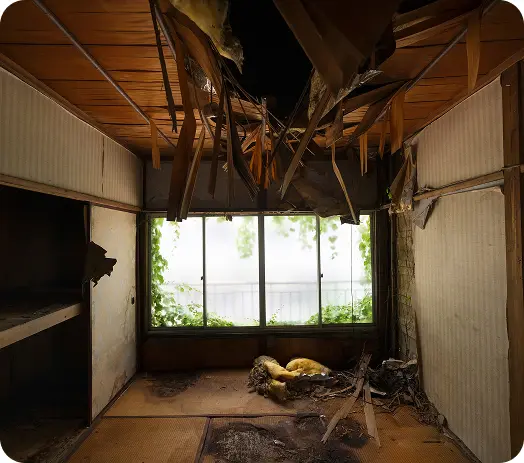
- Bodily injury: Covers medical costs, legal fees, and settlements if a client, bystander, or other non-employee suffers injury due to your work. For example, if a roofing nail left behind causes a customer to trip and fall, contractors liability insurance would absorb the related expenses.
- Property damage: Pays for the repair or replacement of a client’s property accidentally damaged during roofing operations. If falling debris breaks a client’s skylight or ruins landscaping, the policy will respond.
Example Scenarios: When Liability Insurance Saves Your Business
Picture this: While replacing a roof, a worker bumps a ladder, which crashes through an upstairs window. Glass shatters, rain gets in, and the client submits a $9,000 invoice for water damage repairs. General liability insurance responds, covering the damages and legal defense if the client escalates the claim.
Another situation during a rainy install, a client slips on a wet tarp and fractures an ankle. Medical bills add up quickly, and they file a lawsuit. Without general liability coverage, the roofing technician faces out-of-pocket costs and time-consuming legal entanglement.
According to the Insurance Information Institute, the average liability claim for small businesses is $35,000 for property damage and $20,000 for bodily injury. For a roofing service provider with multiple ongoing jobs, the potential exposure is clear.
Common Exclusions Found in General Liability Policies
Despite broad coverage, not everything fits under the general liability umbrella. Most policies carry explicit exclusions that limit when funds can be accessed. The details vary by carrier, but certain exclusions commonly appear:
- Employee injuries: These fall under workers’ compensation, not general liability.
- Intentional acts: Damages caused purposefully or through gross negligence won’t be covered.
- Workmanship errors: Poor craftsmanship or defects are usually excluded unless a contractor adds an optional endorsement like Contractors Errors and Omissions.
- Contractual liability: If you’ve assumed liabilities in a contract beyond the policy’s scope, the insurer won’t cover those commitments.
Understanding these nuances can be the difference between secured compensation and denied claims. Want complete protection? Combining general liability with other tailored commercial insurance products is often necessary.
Workers’ Compensation Insurance: Protecting Your Workforce
Meeting State-Mandated Requirements
Every state except Texas mandates workers’ compensation insurance for businesses with employees, and roofing technicians are under particular scrutiny due to the high-risk nature of the job. Most states classify roofing as high-hazard, meaning contractors often face stricter compliance standards and higher premium rates.
For example, in California, roofing professionals fall under classification code 5552, one of the costliest workers’ comp class codes in the state, with a base rate exceeding $25 per $100 of payroll as of 2024, according to the Workers’ Compensation Insurance Rating Bureau of California (WCIRB).
States like Florida impose additional requirements. The Florida Division of Workers’ Compensation mandates that all construction industry employers, including roof specialist, carry coverage if they have even one employee. Failure to comply leads to immediate stop-work orders and hefty fines calculated at 1.5 times the amount the employer would have paid in premium for the previous two years.
Coverage That Keeps Crews Operational
Workers’ compensation insurance pays for medical treatment, partial wage replacement, and rehabilitation services if a crew member suffers a work-related injury or illness. Roofing crews face exposure to falls, heat exhaustion, sharp tools, and lifting injuries all of which are covered under this policy.
- Medical Expenses: It includes doctor visits, surgeries, hospital stays, prescription medications, and medical devices.
- Lost Wages: Payments typically replace about two-thirds of the injured worker’s average weekly wage, subject to a cap defined by state law.
- Rehabilitation Services: Physical therapy and vocational training, when necessary, are covered to get injured employees back to work.
Without this coverage, employers become financially exposed to lawsuits and out-of-pocket claims. A fall from a residential roof, for instance, can result in medical costs exceeding $100,000, not including wage loss expenses a contractor would be legally responsible for in the absence of coverage.
Non-Compliance Leads to Immediate Business Disruption
Operating without workers’ comp isn’t just risky in most jurisdictions, it’s punishable by law. Penalties vary, but they always bite. New York fines unregistered employers $2,000 for every 10 days of non-compliance. In Pennsylvania, failure to carry coverage opens the door to felony criminal charges.
Beyond penalties, the business impact hits fast. Injured workers can file lawsuits directly against the employer for pain, suffering, and punitive damages costs far exceeding what insurance would pay. Additionally, roofing clients, especially commercial and government contracts routinely request certificates confirming active workers’ compensation coverage. Without it, bids get tossed before anyone looks at the price.
How do you handle coverage across multiple states? What strategy protects your team while managing premium costs? Answers to these questions determine how resilient your roofing business becomes when accidents happen.
State-by-State Breakdown: Roofing Contractor Insurance Requirements
Why Insurance Laws Differ Across States
The insurance requirements for roofing professionals are not standardized nationwide. Each state sets its own licensing and insurance laws, often influenced by local weather patterns, worker safety data, and legal frameworks. The result? A roofing installer operating in Florida faces different compliance obligations than one in California or Texas.

Spotlight on California, Texas, and Florida
For example, in California, roofing professionals fall under classification code 5552, one of the costliest workers’ comp class codes in the state, with a base rate exceeding $25 per $100 of payroll as of 2024, according to the Workers’ Compensation Insurance Rating Bureau of California (WCIRB).
California
The Contractors State License Board (CSLB) enforces insurance requirements for roofing. Roofers must hold a C-39 Roofing technician license, and general liability insurance is recommended though not mandated for sole proprietors. Workers’ compensation is mandatory even for a single employee.
Texas
There is no state licensing requirement for roofing professionals. However, cities like Austin and San Antonio enforce local registration that may include proof of insurance. Texas law requires workers’ comp only if a company employs government contracts or wants protection from certain lawsuits.
Florida
The Department of Business and Professional Regulation licenses roofing professionals under the Division of Regulation. A Roofing Construction license requires proof of general liability coverage: at least $300,000 for bodily injury and $50,000 for property damage. Workers’ compensation is also required for any business with four or more employees.
Where to Verify State Requirements
Each state maintains an official portal for contractor licensing and insurance verification. These websites offer real-time updates on policy minimums, bond obligations, and licensing exams. For example:
Looking beyond these three? Visit the site of your state’s licensing board or department of labor for the most recent insurance mandates and certification steps. Bookmark the page updates can come quarterly or following legislative adjustments.
What Roofing Repair Insurance Will Cost Your Business and Why
What Drives the Cost of Roof Repair Insurance?
Insuring a roofing business doesn’t follow a one-size-fits-all model. Several variables work together to shape your premium, and insurance carriers weigh each one to calculate risk exposure. Here’s what gets factored in:

- Business Size and Payroll: The larger your team and payroll, the higher your premiums. Insurers directly tie workers’ compensation and general liability rates to payroll figures. For example, a roofing company with $500,000 in payroll will pay significantly more than one with $200,000, even with similar work scopes.
- Location and Claims History: Operating in regions with high storm frequency think Gulf states or Tornado Alley results in elevated premiums. Historical claims data compounds this: a clean claims record reduces costs, while multiple prior losses drive them up quickly.
- Type of Roofing Services: Residential shingle work carries a lower risk profile compared to commercial flat-roof installs or storm restoration jobs involving insurance claims. A business focused on steep-slope roofing or handling hazardous materials like hot asphalt will pay towards the upper end of the spectrum.
Average Premium Ranges by Insurance Type
Numbers tell the story clearly. Based on data from insurance providers like Insureon, Next Insurance, and The Hartford, here’s what roofing businesses across the U.S. can expect to pay:
General Liability Insurance
For small-to-mid-sized businesses, premiums typically range from $4,000 to $8,000 annually for $1 million in coverage. Businesses in high-risk areas or those doing commercial work can see rates push $10,000 or more.
Workers’ Compensation Insurance
This is usually the most expensive policy. National average for roofing compensation rates sits between $20 to $30 per $100 of payroll. So, a business with $300,000 in payroll might pay between $60,000 to $90,000 per year.
Commercial Auto Insurance
For work trucks and service vehicles, expect annual premiums from $1,200 to $2,400 per vehicle, depending on usage, location, and driving records.
Contractor’s Equipment Coverage
For insuring roofing tools and machinery, policies generally cost between $500 and $2,000 annually, scaled to the equipment value
Want lower premiums? Minimize claims, maintain a safe work environment, and keep detailed records. Insurers reward businesses with proactive safety programs and clean histories.
Licensing and Bonding: Credentials That Carry Weight
Why Being Licensed and Bonded Changes the Game
Licensing and bonding stand as two non-negotiables for roofing contractors aiming to win trust, meet legal standards, and gain access to better insurance terms. States rely on the licensing process to set a baseline for professional competency, legal compliance, and consumer protection. A valid license shows that a contractor has met specific criteria usually including verified experience, exam passage, and insurance protection.

For insurance providers, a license isn’t just a legal box to check. It signals lower risk. Licensed contractors present fewer instances of claim denials or regulatory action. As a result, they often secure policies with broader coverage and more competitive premiums than unlicensed workers. Clients notice, too. In both residential and commercial sectors, project bids from licensed contractors receive priority consideration.
Licensing Bolsters Insurance Protection
The relationship between licensing and indemnity coverage is direct. For example, in California, a roofing specialist must hold a C-39 classification and carry workers’ compensation even if they have no employees before applying for a license. In Florida, a roofing license under the Division of Business & Professional Regulation requires proof of general liability coverage of at least $300,000 for bodily injury and $100,000 for property damage. Without a license, policies can be voided or application approvals withheld.
Licensing also impacts how claims are handled. If a contractor performs work without a license in a jurisdiction where one is required, insurers may reject claims related to that job. In such scenarios, legal liability can shift entirely onto the contractor, regardless of whether they carried insurance at the time of the incident.
Decoding Bonding: Contractor Bonds vs. Surety Bonds
Bonding adds another layer to a roofing contractor’s financial credibility. States and municipalities may mandate a contractor license bond, which protects customers and the public by guaranteeing the contractor will follow local laws and building codes. This is not insurance; it’s a financial guarantee enforced through a surety company.
Two main bond types appear in roofing:
- Contractor License Bond – Guarantees compliance with licensing regulations. If the contractor fails to meet legal or contractual obligations, the surety pays the claim and then seeks reimbursement from the contractor.
- Bid, Performance, and Payment Bonds – More common in public or large commercial projects. These assure the client that the contractor will fulfill the contract terms, complete the work as promised, and pay suppliers and workers.
Insurance protects the contractor. Bonds protect everyone else. While the insurer takes on risk on behalf of the contractor, the surety expects to be paid back if they cover a loss. That difference matters when evaluating long-term financial health and legal responsibility.
Want to secure more contracts, lower your liability, and improve your insurance profile? Start with your license and bond they speak volumes before you ever lift a shingle.
Navigating the Insurance Claims Process for Roofing Damage
Steps in Filing a Roofing Damage Insurance Claim
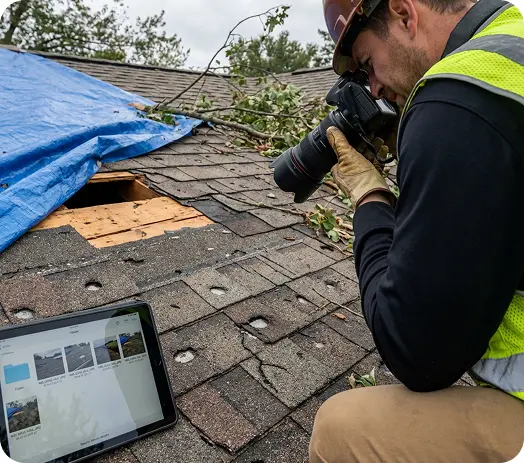
Once roof damage occurs whether due to hail, wind, or falling debris moving quickly makes all the difference. The longer the delay, the harder it gets to establish a clear timeline or cause. Start by documenting the damage immediately following the event. After initial containment to prevent further damage (like tarping a hole), contact the insurance provider to initiate the claim process.
Most homeowners’ insurance carriers follow a similar protocol:
- Policy review: The insurer reviews coverage terms related to roofing damage.
- Claim filing: The homeowner files a claim, typically online or by phone, and receives a claim number.
- Damage inspection: An adjuster assesses the damage, usually within a few days, and verifies the cause.
- Repair estimate: Either the adjuster or the roof specialist provides a quote for necessary repairs or replacement.
- Payout offer: Once approved, the insurer issues a payment, often in stages initial funds and final distribution after project completion.
Timing differs by provider, but from inspection to payout, the process usually takes two to four weeks.
Documents That Strengthen the Claim
A well-organized claim with detailed backup shortens response time and increases approval odds. These are non-negotiable:
- Photos: Take images from multiple angles both overall shots and close-ups. Before-and-after comparisons work best if prior inspections exist.
- Inspection reports: Include third-party roofing assessments, especially if damage was documented before the incident.
- Work contracts: Submit copies of any previous roofing work agreements that show material warranties or recent installations.
- Weather records: In cases of storm-related roof damage, attach local NOAA weather reports for date verification.
Missing paperwork slows down approval. Some insurers deny claims purely due to lack of supporting evidence.
Handling the Insurance Company RelationshipCommunication with adjusters requires accuracy and prompt responses. Many roofing contractors assign a designated claim specialist to liaise with insurance providers. This professional ensures correct terminology is used in documenting the scope of damage and estimating costs.
For roofers, it’s worth cultivating a network of insurance contacts. Recognized contractor status often leads to quicker callbacks and better claim handling. Want faster payouts? Submit invoices with clear line-item pricing and labeled material costs.
At times, there’s pushback from the insurer, especially regarding full roof replacement versus patchwork repairs. In these instances, contractors often reference IRC building codes or manufacturer installation specs to justify replacement. What happens when an inspection disputes the claim? Homeowners have the right to request a second inspection or even hire a public adjuster.
Reducing Liability: Risk Management and Safety Protocols in Roof Replacement Insurance
Cutting Risk Through Structured Safety Programs
Roofing companies that integrate formal risk management practices consistently report fewer accidents and lower insurance premiums. A structured safety program anchors this strategy. This includes clearly defined procedures for hazard identification, injury prevention, and emergency response.
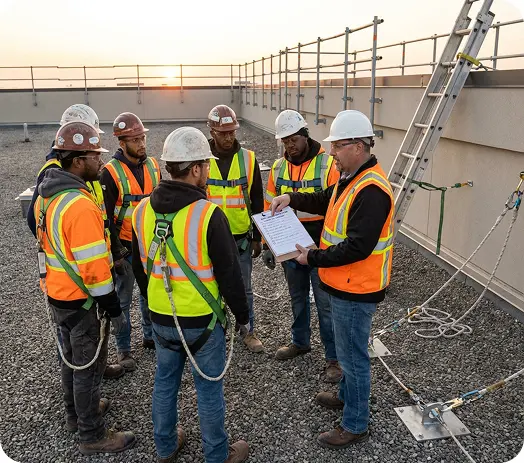
- Establish daily jobsite safety checklists tailored to each project type.
- Implement pre-job briefings that highlight high-risk tasks and safety expectations.
- Appoint an on-site safety coordinator responsible for enforcing policies and reporting near misses.
Fewer incidents on the record lead directly to reduced claims activity, which most underwriters weigh heavily when calculating premiums. Insurance carriers routinely analyze loss ratios; a roofing business with strong performance in that metric will receive preferential rates or expanded coverage terms.
Training and OSHA Compliance as Core Pillars
Regular safety training works as both a preventative and a legal defense strategy. The Occupational Safety and Health Administration (OSHA) imposes industry-specific safety standards for roofing, covering areas like fall protection, ladder safety, and personal protective equipment (PPE). Failure to comply exposes the business not only to fines but also to claims that may fall outside the scope of risk coverage.
Continuous education demonstrates a good-faith effort to prioritize worker safety. Companies that mandate OSHA 10 or 30-hour certification for crew members signal to insurers a culture of compliance often resulting in eligibility for safety credits or premium discounts.
Lower Premiums, Fewer Lawsuits: The Insurance Payoff
Insurers evaluate a roofing company’s risk profile before underwriting policies. Those with detailed safety manuals, documented training logs, and regular jobsite audits show fewer losses year over year. Lower loss frequency and severity translate into lower premiums and deductibles.
Beyond the financial incentives, robust safety protocols reduce exposure to legal action. Should an incident occur, these documents serve as proof that the business took all reasonable steps to mitigate danger. In legal proceedings, this evidence can shift liability or even nullify negligence claims.
Running a roofing business without a legacy of accidents and claims doesn’t happen by chance. What safety procedures has your team documented this week?
Tools and Safety Equipment that Affect Insurance Premiums
Reduce Risk, Reduce Cost: Invest in Certified Safety Equipment
Insurance providers calculate premiums based on risk exposure. In roofing, risk drops sharply when contractors invest in specific tools and gear designed to prevent injuries. Insurers directly link proven safety investments to lower premiums. Not surprisingly, the tools that most influence this calculation are those preventing falls, the leading cause of injury and fatality in the roofing industry.
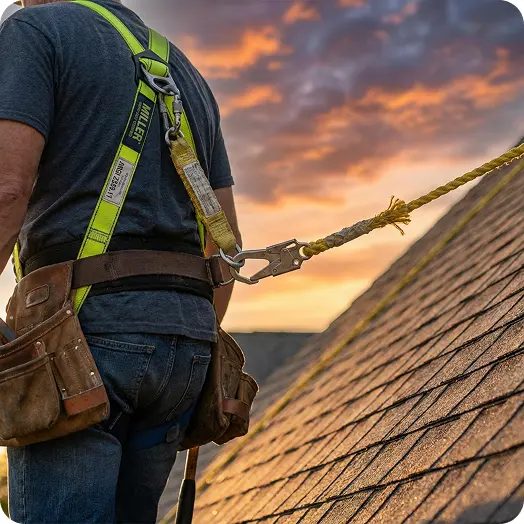
Harnesses and Fall Protection Systems
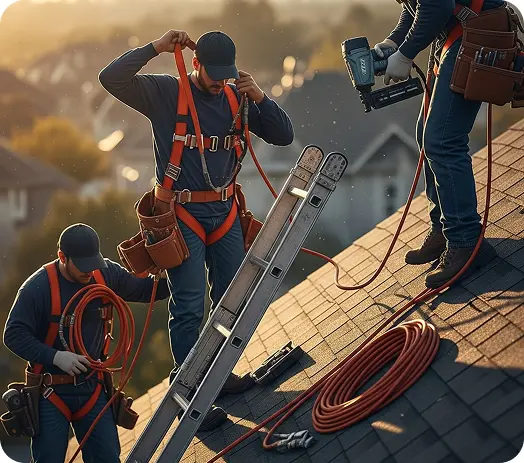
Roofing harnesses form the core of any effective fall protection plan. Full-body harness systems anchored correctly with shock-absorbing lanyards reduce the chance of serious injury. When insurers assess a contractor’s safety program, the presence and usage documentation of ANSI/OSHA-compliant fall arrest systems reflect immediate commitment to risk mitigation. Premium rates align accordingly contractors with documented fall protection training and gear see lower costs.
Certified Ladders and Lifts
Extension ladders and aerial lifts must meet ANSI A14 standards for stability and load-bearing capacity. A ladder with non-slip feet, stabilizer bars, and properly rated rungs demonstrates intentional safety planning. Lifts such as scissor or boom lifts, when maintained and certified annually, significantly reduce ladder-related incidents. Insurance adjusters and underwriters factor in these choices when calculating liability premiums.
Guardrails, PPE, and On-Site Protocols
Guardrails erected at roof edges and open surfaces cut fall hazards even when harnesses aren’t in use. Their presence particularly when they meet OSHA’s fall protection standards (29 CFR 1926.502) translates to measurable premium reductions.
Personal protective equipment (PPE) makes up the next layer. Helmets, slip-resistant boots, gloves, and eye protection may seem minor, but their cumulative value signals a preventative job site culture. Insurers take note. Contractors who conduct and log regular safety briefings, enforce PPE usage, and maintain a written safety plan benefit from high safety ratings and reduced premium loads.
Incentives from Insurance Providers
Several commercial insurers offer premium incentives or policy credits directly tied to safety improvements. Carriers may require proof purchase receipts, safety training logs, on-site inspections but they respond with tangible rewards. For example:
- Loss control credits for documented investment in fall protection and certified ladders
- Policy discounts for active job site safety monitoring using wearables or connected tools
- Preferred underwriting status for roofing contractors with zero OSHA citations in the past 36 months
Insurers treat safety investments like any other financial hedge. If gear reduces the chance of a claim, they return the favor with a smaller invoice. What gear does your team rely on today?
How to Choose the Right Insurance Provider
Check Industry Experience
Start by digging into how long the insurance provider has been working with roofing contractors specifically. Roofing involves high-risk conditions steep pitches, seasonal weather hazards, heavy equipment so general commercial insurance knowledge doesn’t cut it. Providers familiar with roofing operations will understand claim trends, state regulations, and the types of coverage that align with your scope of work, whether it’s residential re-roofing or large-scale commercial installations.

Evaluate Financial Strength and Client Feedback
An insurance policy isn’t worth much if the provider can’t pay claims. Ratings from agencies like A.M. Best, Standard & Poor’s, or Moody’s reveal a company’s financial capacity. Look for ratings of A- or higher; these reflect strong claims-paying ability. Pair those ratings with real-world input read client reviews, especially from other roofing contractors. Do they resolve claims fast? Are premiums fair? Is customer service responsive?
Look for Roofing-Specific Policy Options
A cookie-cutter general contractor policy may leave coverage gaps. Choose an insurer offering specialized packages for roofing businesses. These should include
- Completed operations coverage to cover damages that occur post-job completion.
- Open roof coverage is especially critical if your projects expose interiors during repairs.
- Equipment and tool protection covering theft, damage, or loss of high-value gear.
- Height limit policies to avoid restrictions on jobs above certain elevations.
Some insurers also offer benefits like scheduled safety audits or premium discounts for following certified safety programs.
Ask the Right Questions Before Signing
Before locking into an insurance agreement, press for specifics. Ask:
“How many roofing businesses do you currently insure?”
“Are there coverage limits for tar-and-gravel or torch-down projects?”
“What is your average timeline to resolve commercial roofing claims?”
“Can you provide an example of a roofing claim you’ve recently handled?”
“Are there coverage limits for tar-an“What endorsements or customizations are available for my operations?”d-gravel or torch-down projects?”
The way they respond reveals just as much as the content they provide industry fluency will come through quickly, or not at all.
Common Roof Replacement Insurance Exclusions: What Won’t Be Covered
A policy coverage isn’t a free pass for every mistake or accident on a roofing project. Insurers outline specific exclusions in their policies gaps that could become costly if misunderstood. Roofing businesses that ignore these exclusions often face significant financial exposure when claims get denied.
Claims That Typically Fall Outside Standard Coverage
Reading the fine print reveals a list of scenarios most general roofing policies won’t touch. Here’s what frequently ends up on that list:
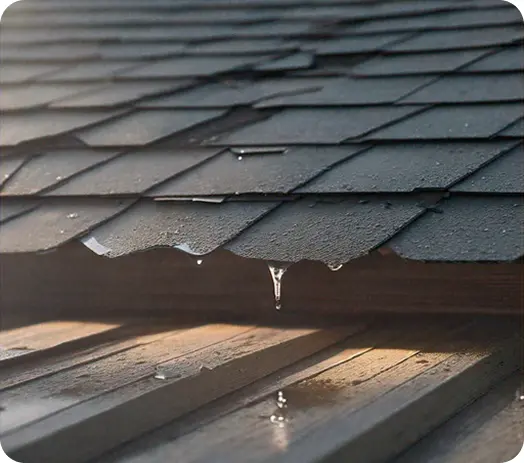
- Poor workmanship: If a roof leaks because of shoddy installation, that’s not an insurable event. Insurers classify deficient labor as a business risk, not an accident.
- Faulty materials: When defective shingles or underlayment cause damage, insurance won’t pay for repair or replacement. The liability often falls on the product manufacturer or the contractor who chose to use them.
- Unlicensed subcontractor damage: Any damage caused by workers not licensed or approved under your policy typically voids coverage for that incident. Insurers require all subcontractors to meet policy criteria before granting protection.
Addressing Exclusions with Endorsements
Some exclusions can be softened or removed entirely through endorsements policy add-ons that tailor standard coverage to meet a roofer’s specific risks. Here’s how contractors can actively improve their coverage profile:
- Add a workmanship endorsement that covers builder’s errors under certain conditions.
- Negotiate a materials endorsement that extends protection to approved product failures.
- Request coverage extensions that include pre-screened subcontractors, especially for large-scale storm response work.
Effective use of endorsements doesn’t happen by accident. It requires direct coordination with an insurance agent who understands roofing operations and can structure a policy around real-world exposures. When was the last time you reviewed your exclusions and endorsements together?
Handling Storm Damage and Emergency Roofing Work: Insurance That Steps Up
Covering Storm Response Contractors: What Policies Need to Include
During severe weather events, roofers working under pressure face unpredictable and high-stakes conditions. Policies that cover storm response contractors must go beyond standard general liability. They need to account for rapid mobilization, temporary repair work, and structure stabilization services.
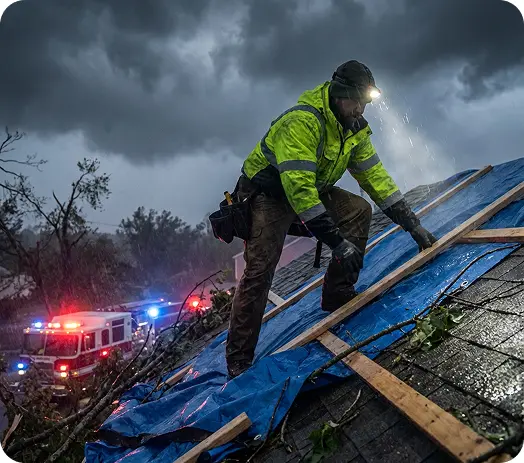
Insurers typically include these services under an enhanced commercial general liability (CGL) umbrella, often with endorsements specific to storm cleanup or disaster response.
Policies must recognize the realities of storm response: exposed electrical systems, water-damaged structures, and slippery, unstable surfaces. The presence of additional hazards increases the likelihood of accidents and property damage, raising the stakes for both liability and workers’ comp coverage.
Operating in High-Risk Areas: Hurricane and Tornado Zones
Insurers assess roofing contractors operating in hurricane-prone or tornado-affected states like Florida, Texas, and Oklahoma with a higher risk profile. Underwriters evaluate frequency of catastrophic events, topographical risk, and local building codes. This translates into higher premiums and stricter coverage terms. But it also opens the door for specialized policies intended for contractors who frequently respond in FEMA-designated disaster zones.
Windstorm endorsements and named storm deductibles are common mechanisms insurers use to manage this higher risk. Contractors without those endorsements will find themselves partially uncovered or facing large out-of-pocket costs when a named storm triggers a loss. Insurers may also require evidence that crews are trained in hurricane-standard fastening systems and adhere to reinforced material usage guidelines to maintain coverage.
Emergency Response Work: Liability, Timing & Heightened Risk
Responding at 2:00 AM to tarp a roof in the middle of a windstorm introduces a set of risks that differ sharply from scheduled replacements. Emergencies compress timelines, thin workforces, and require rapid decision-making. Liability insurance coverage must reflect the reality of action taken without inspections, blueprints, or normal safety checks.
- Completed operations coverage must apply even when temporary fixes become long-term solutions.
- Occurrence-based policies provide protection for claims filed years after emergency work was completed.
- Professional liability or errors & omissions (E&O) may come into play if emergency crews miscalculate a structural load or install faulty temporary support under pressure.
Not every policy automatically accommodates these scenarios. Contractors specializing in emergency mitigation need coverage that explicitly supports off-hours deployments, temporary structural work, and high-wind rooftop operations. Without those written provisions, claims related to emergency actions may be contested or denied.
How quickly can your crew get on-site after a hailstorm? If the answer is “within minutes,” then your insurance coverage needs to work just as fast. Delays in claim authorization during disaster periods can sink a response firm’s finances, especially when tied to urgent labor and material costs. Insurers offering pre-approved emergency coverage give contractors the upper hand by removing red tape at critical moments.
- Scheduling or coordination mistakes
- Miscommunication among stakeholders
How quickly can your crew get on-site after a hailstorm? If the answer is “within minutes,” then your insurance coverage needs to work just as fast. Delays in claim authorization during disaster periods can sink a response firm’s finances, especially when tied to urgent labor and material costs. Insurers offering pre-approved emergency coverage give contractors the upper hand by removing red tape at critical moments.
Subcontractor Insurance Considerations: What Roofing Businesses Need to Know
Why Subcontractor Coverage Matters
Hiring subcontractors opens up a roofing business to a new layer of liability. When subcontractors work at height, use power tools, or handle heavy materials, the risk of injury or property damage increases. If they’re uninsured or underinsured, that risk doesn’t stay with them, it transfers to your business.
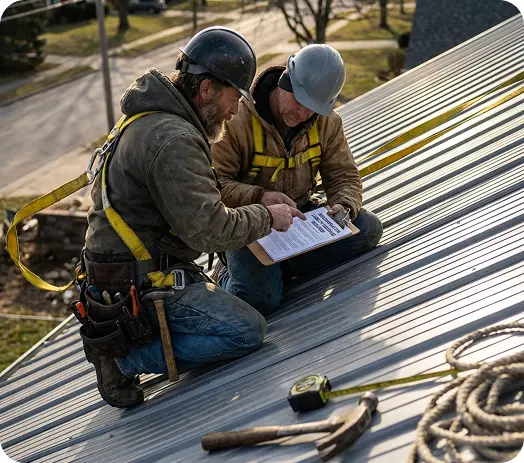
General liability and workers’ compensation policies won’t automatically extend coverage to subcontractors. Without proper documentation, roofing contractors may end up footing the bill for accidents, injuries, or third-party claims caused by someone else’s negligence.
Verifying Certificates of Insurance (COIs)
Before allowing any subcontractor on a job site, request and review their up-to-date Certificate of Insurance (COI). This single-page document lists current coverage details, policy limits, insurer contact info, and effective dates. It shows whether the policy includes:
General liability insurance
Protects against property damage or bodily injury caused by the subcontractor’s work.
Workers’ compensation coverage
Ensures injured subs can be compensated without triggering a claim under your insurance policy.
Commercial auto insurance
If they use vehicles for transporting tools or materials to your job sites.
Ask for COIs from each subcontractor before every project. Even longtime partnerships require updated documentation insurance policies can lapse without notice.
Legal and Financial Ramifications of Uninsured Subcontractors
Beyond direct claim costs, insurance companies take a dim view of uncovered subcontractor activity. Your own premiums may spike, or worse, your provider could drop coverage due to assumed risk increases.
It demonstrates that you’re serious about your craft. Transparent insurance information establishes confidence and facilitates the agreement process.
Best Practices for Managing Subcontractor Insurance
- Use written contracts to clarify who is responsible for what types of insurance.
- Include indemnity clauses to shield your company from liability caused by subcontractor actions.
- Request to be named as “Additional Insured” on their liability policy this expands policy protection to cover your business if the sub is sued.
- Track expiration dates and renewal terms using a cloud-based database or project management tool.
Subcontractors extend your capacity but only with the right safeguards in place. Insurance verification isn’t a formality; it’s operational armor.
Protecting Your Business from Roofing-Related Lawsuits
Common Legal Claims Roofing Contractors Face
Roofing businesses operate in a high-liability environment. Lawsuits can emerge from multiple angles installation errors, workplace injuries, or property damage. One frequently filed claim involves water intrusion resulting from improper flashing or sealant application. Homeowners argue negligence, and if damage extends interiorly, the total cost of litigation and repair can exceed $100,000.
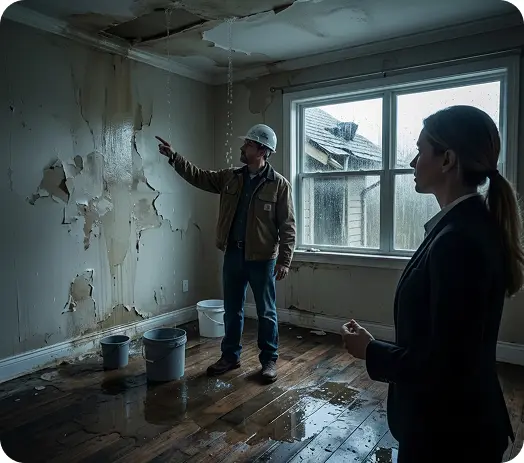
Worksite injuries also trigger claims. If a subcontractor or property owner slips on debris, a business can be sued for medical expenses, lost wages, and non-economic damages. Additionally, consumer protection claims particularly under unfair trade practices acts sometimes arise when contract terms or warranties are unclear or not honored.
Use Contracts and Internal Policies as Shields
A professionally drafted contract does more than outline project scope, it functions as a legal barrier. A detailed scope of work, clear waiver of liability clauses, and specific warranty limitations can significantly reduce the number of viable legal challenges. Contracts should always identify the project address, define materials used, establish rain-day protocols, and include dispute resolution pathways.
Beyond contracts, enforceable internal safety policies limit exposure to liability from workforce injuries. Include mandates for fall protection, personal protective equipment, and real-time job site inspections in your employee handbook. Document policy acknowledgements and training sessions. When these records exist, legal counsel gains leverage in defending against negligence claims.
Extend Protection with the Right Coverage
One overlooked form of coverage in the roofing sector is professional liability insurance. It covers “wrongful acts” during consultation, inspections, or project design. For example, if a contractor recommends installing a certain pitch in a high-wind zone and the roof subsequently fails, this policy responds where general liability might not.
Umbrella policies go a step further. These provide supplemental coverage beyond existing policy limits. If a general liability policy caps out at $1 million but a court awards $1.5 million in damages, an umbrella policy with $2 million in coverage picks up the excess liability. This buffer can make the difference between survival and bankruptcy.
Professional Liability Insurance
Covers advisory errors and design-related mistakes.
Umbrella Insurance
Adds excess liability coverage when base policies are exhausted.
Contractual Risk Transfer
Places liability where it belongs for example, with a subcontractor or material provider.
Have you reviewed your contracts or policies recently? Do they address indemnity, arbitration, and scope modifications? Sharpening these tools will reduce exposure more consistently than reactive legal strategies.
Navigating Insurance Certificates and Endorsements in Roofing
What Is an Insurance Certificate and Why Does It Matter?
An insurance certificate, formally known as a Certificate of Insurance (COI), is a snapshot of a policyholder’s current insurance coverage. It verifies that a roofer or any contractor has active policies in place to meet project or contract requirements. Property managers, general contractors, and homeowners request these certificates before work begins.

COIs typically include details like policyholder name, policy type, coverages, policy limits, effective dates, and the issuing insurance company. One page, a few lines, but immense protection: this document tells third parties they’re not assuming unnecessary risk by hiring your roofing business.
Critical Endorsements That Change the Game
Beyond basic coverage, endorsements tailor the scope of liability. They’re add-ons that modify what’s included in the insurance contract. Two stand out in roofing agreements: being named as an additional insured and having a waiver of subrogation.
- Additional Insured: This endorsement extends the roofer’s liability coverage to include a third party usually a property owner or general contractor. If a client is named as an additional insured and someone gets injured on the job, the roofer’s insurance, not the client’s, responds to the claim.
- Waiver of Subrogation: This clause prevents the roofer’s insurer from seeking recovery from a third party that may be responsible for a claim. In a subcontracting scenario, it keeps peace between parties who don’t want to sue each other post-incident. Many commercial contracts demand this endorsement to avoid back-and-forth legal entanglements.
Missing either of these endorsements can result in disqualified contract bids or expensive legal exposure. Clients check for them and insurers issue them only upon request, so coasting on just a base policy won’t meet most obligations.
Keep Your COIs Current and Accessible
Expired certificates don’t inspire confidence. Ensure documents reflect active coverage with up-to-date expiration dates and policy numbers. Most clients require re-issuance annually or at key project stages.
Storage matters just as much as accuracy. Use cloud-based platforms or CRM integrations that let you pull or email COIs during meetings or inspections. Time wasted searching through filing cabinets could cost you a deal.
Think about your last few contracts, were there delays over COIs? Were endorsements missing? Fixing that is administrative, not strategic, and entirely under your control. Keeping your certifications clean and current communicates professionalism and reliability faster than any marketing pitch.
Secure Long-Term Protection With the Right Roof Insurance Strategy
Every part of a roofing operation from the crew on the ladder to the contracts signed in the office depends on a well-structured insurance plan. Roof insurance doesn’t just fulfill contractor insurance requirements; it defines how resilient your business will be when faced with legal claims, workplace injuries, or damaged roof claims.
Throughout this guide, you’ve seen what a comprehensive roofer liability policy should include:
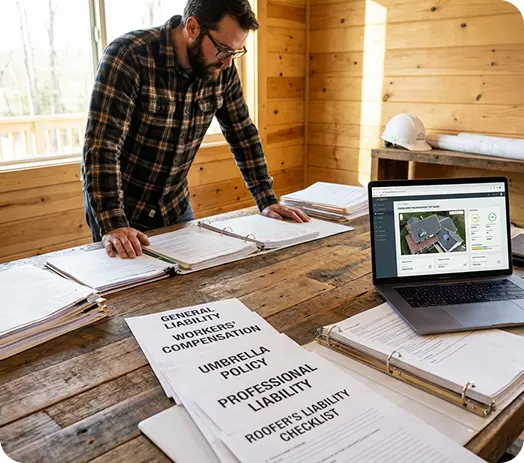
General liability, workers’ compensation, licensing bonds, and professional liability for roofers. You’ve explored how risk management for roofing contractors and roofing safety insurance can directly influence policy rates. You’ve also seen how exclusions can undermine protection when not clearly defined or evaluated.
So what now?
Policies bought five years ago no longer reflect today’s project sizes, employment levels, or client expectations. Materials evolve, scaffolding standards change, and storm patterns shift. If the last time your policy was reviewed, drones weren’t yet measuring rooftops, you’re overdue.
Start by asking simple questions: Does your current plan meet the state-specific contractor insurance requirements? Are subcontractors properly covered under your umbrella policy? Will your provider respond efficiently during a disputed damaged roof claim? If any answers are vague, it’s time to act.
- Download our free Roofer’s Liability Insurance Checklist to ensure no element is overlooked during your next coverage review.
- Get a tailored insurance quote for your roofing business accurate, line-by-line, based on specific service areas and risk exposures.
- Speak with an industry-specialized insurance advisor today, not tomorrow, not next season and realign your strategy with your current operations.
Roofing businesses that maintain an up-to-date strategy don’t just survive liability claims, they avoid them entirely through better planning, clearer contracts, and seamless claims preparation. Proper insurance transforms risk into control and uncertainty into stability.
Roofing Contractor Insurance
Roofing
When it comes to protecting your home, one of the most important aspects to consider is the condition of your roof. Your roof not only provides shelter for you and your family, but it also protects your home from the elements. However, roofs are prone to damage from severe weather conditions such as storms, hail, and strong winds.
This is why having proper roofing replacement insurance is essential for homeowners. Roofer’s liability insurance helps cover the cost of repairs or replacement in case your roof gets damaged due to a covered peril.
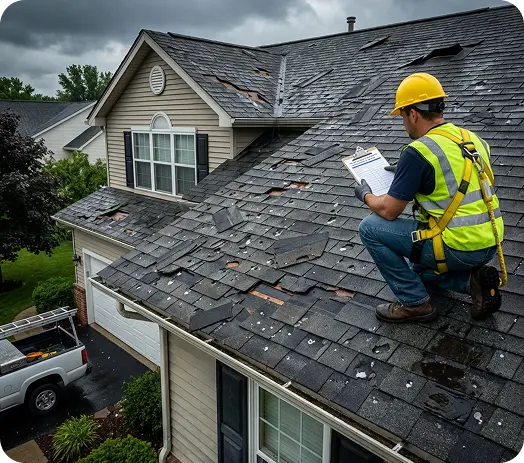
Most standard homeowners insurance policies include coverage for roof damage, but it’s important to review your policy to understand the extent of coverage.
Hail Damage
Hail storms can cause significant damage to your roof, leading to leaks and structural issues. Roofing liability insurance can help cover the cost of repairs or replacement.
Wind Damage
Strong winds can lift shingles, expose your roof to water damage, and even cause it to collapse. Having a solid policy can provide financial protection in case of wind-related damage.
Water Damage
Leaks or water infiltration can weaken the structure of your roof and lead to mold growth. Roofing liability insurance can help cover the cost of repairs to prevent further damage.
By investing in this insurance, you can have peace of mind knowing that your home and family are protected in case of unexpected roof damage. Make sure to review your policy and understand the coverage limits to ensure that you are adequately protected.
Liability Coverage in Roofing Insurance
When it comes to this type of insurance, one important aspect to consider is liability coverage. This type of coverage protects you in case someone is injured or their property is damaged while work is being done on their roof.
- Liability coverage is essential for roofing contractors, as accidents can happen on the job site.
- This coverage can help pay for medical bills, legal fees, and any damages that result from a roofing accident.

It’s important to make sure your insurance policy includes adequate liability coverage to protect yourself and your business in case of any unforeseen incidents.
Requirements
Before obtaining a policy insurance, there are several key requirements that need to be met in order to ensure proper coverage and protection. These requirements typically include:
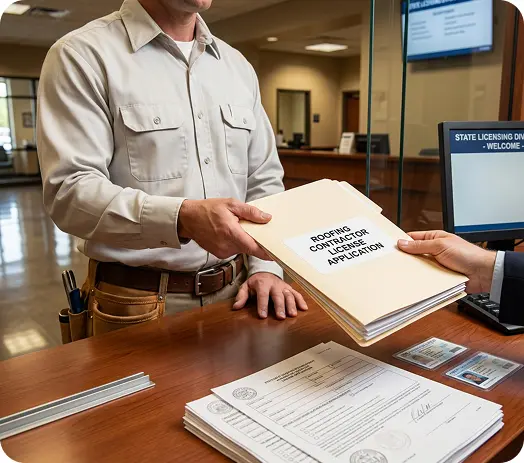
Licensing
Roofing contractors must be properly licensed in order to qualify for insurance coverage. This ensures that the contractor is qualified and meets certain standards set by the state or local authorities.
Safety Standards
Roofing contractors must adhere to strict safety standards in order to qualify for insurance coverage. Compliance with safety regulations helps to minimize the risk of accidents and injuries on the job site.
Experience
Insurance providers may require roofing contractors to have a certain amount of experience in the industry before they can obtain coverage. This experience helps to ensure that the contractor has the necessary skills and knowledge to properly complete roofing projects.
Documentation
Contractors may be required to provide documentation of their business operations, such as proof of insurance, bonding, and licensing. This documentation helps insurance providers assess the contractor’s credibility and financial stability.
The Importance of this Insurance
Roofer
When it comes to maintaining the integrity of your roof, hiring a professional roofer is crucial. A skilled roofer can assess the condition of your roof, identify any issues, and provide the necessary repairs or replacements to keep your home safe and protected.
Whether you are dealing with a leaky roof, missing shingles, or damage from a storm, a roofer has the expertise and equipment to handle the job effectively. Additionally, hiring a licensed and insured roofer is essential to ensure that any potential accidents or damages are covered.
When selecting a roofer, be sure to check their credentials, reviews, and insurance coverage. By choosing a reputable roofer with the proper insurance, you can have peace of mind knowing that your roof is in good hands.
Cost
Insurance can be an important investment for homeowners looking to protect their property from unexpected damage. The cost of insurance will vary depending on a variety of factors, including the size and age of your home, the materials used on your roof, and the level of coverage you choose.
It’s important to consider the potential costs of not having insurance. Without proper coverage, you could be responsible for expensive repairs or replacements in the event of damage from severe weather, fallen trees, or other causes. Investing in insurance can provide you with peace of mind knowing that you are protected financially.
Factors that can affect the cost of insurance include:
- Size and age of your home
- Materials used on your roof
- Level of coverage chosen
It’s recommended to shop around and compare quotes from multiple insurance providers to ensure you are getting the best coverage at a competitive price.
Tools
Proper tools are essential for any roofing project, whether it be a simple repair or a full replacement. Here are some of the basic tools that every roofer should have in their arsenal:
- Hammer: A good quality hammer is indispensable when it comes to securing shingles and other materials in place.
- Nail Gun: For larger roofing projects, a nail gun can save time and effort compared to hand-nailing every shingle.
- Roofing Nails: Make sure you have plenty of roofing nails on hand, as they are essential for securing shingles and other roofing materials.
- Roofing Shovel: A roofing shovel, also known as a “ripper,” is used to remove old shingles and other materials from the roof surface.
- Tape Measure: Accurate measurements are crucial when it comes to cutting and installing roofing materials, so a reliable tape measure is a must-have tool.
- Roofing Knife: A sharp roofing knife is essential for cutting through shingles, underlayment, and other roofing materials.
Cost
Insurance can be an important investment for homeowners looking to protect their property from unexpected damage. The cost of insurance will vary depending on a variety of factors, including the size and age of your home, the materials used on your roof, and the level of coverage you choose.
It’s important to consider the potential costs of not having insurance. Without proper coverage, you could be responsible for expensive repairs or replacements in the event of damage from severe weather, fallen trees, or other causes. Investing in insurance can provide you with peace of mind knowing that you are protected financially.
Factors that can affect the cost of insurance include:
- Deductible: The amount you are responsible for paying out of pocket before your insurance kicks in. Make sure you can afford your deductible in case of an emergency.
- Claim process: Understand the steps you need to take to file a claim. This may include providing documentation, having an inspection, and working with an adjuster.
- Exclusions: Be aware of what is not covered by your policy. Common exclusions may include wear and tear, neglect, and certain types of damage.
- Renewal: Keep track of when your policy is up for renewal. Review your coverage annually to make sure it still meets your needs.
- Coverage limits: Know the maximum amount your insurance will pay for a covered claim. Make sure your coverage limits are sufficient to protect your roof and property.
Damage
One of the most common reasons homeowners file insurance claims for their roofs is due to damage. Damage to a roof can occur from various reasons such as storms, fallen branches, hail, or even just wear and tear over time.
When your roof sustains damage, it’s important to act fast and contact your insurance provider to assess the situation. They will send out an adjuster to inspect the damage and determine if it is covered under your policy.
Types of Damage:
- Hail damage
- Wind damage
- Water damage
- Tree damage
If the damage is covered, your insurance policy will help cover the costs of repairs or replacements for your roof. It’s important to review your policy to understand the extent of coverage for roof damage and any deductibles that may apply.
Pro tip: Regularly inspecting your roof and performing maintenance can help prevent damage and prolong the life of your roof. Consider investing in an insurance policy to protect your home from unexpected damage.
