Ensure your interior design projects are protected with customized insurance coverage that addresses unexpected risks and challenges. From residential makeovers to large-scale commercial endeavors, interior decorators’ insurance provides peace of mind and financial security throughout your creative journey.

The interior design field faces distinct challenges that can lead to unforeseen expenses. Without adequate insurance, a single mishap could result in substantial financial losses, affecting the progression of your projects. Interior decorators insurance offers crucial protection against:
Interior design involves a variety of tasks and environments, making accidents a possibility. Having the right insurance plan can protect your business from the financial fallout of unforeseen incidents. Safeguard yourself against:
Only 5 minutes of your valuable time. We can often get same day coverage.
Choosing our insurance solutions provides a variety of benefits tailored to meet the specific needs of your interior design business. Here’s what we offer:

We collaborate with top insurance providers to deliver affordable coverage options typically ranging from $2,500 to $4,500. This ensures you receive quality protection without exceeding your budget.
Our experts are aware of the unique risks that interior designers face and will customize insurance policies to fit your specific needs, covering everything from liability to workers’ compensation.
In the fast-paced world of interior design, time is essential. Our insurers handle claims swiftly, allowing you to resolve issues promptly and continue your work without major interruptions.
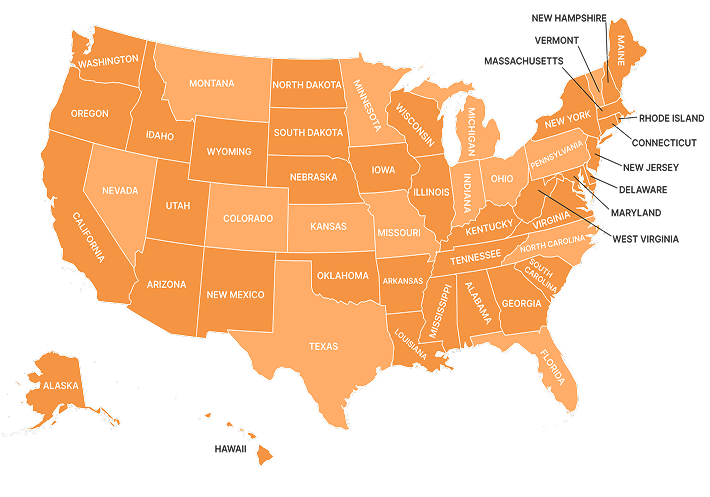
We offer state-specific insurance solutions to keep your business compliant with local regulations, regardless of your operating location. Stay informed with our detailed state-by-state guidelines.
We understand that managing finances can be challenging for designers. That’s why we offer customizable payment plans to fit your cash flow needs, whether quarterly or annually.

That’s why it’s important to keep everyone on the same page regarding the responsibility and the accountability you hold to yourself while you’re working on a project, regardless of the scale. Here are some of the more common types of coverage under interior decorators’ insurance, including some examples that could happen on the job:
Physical harm caused to any person unrelated to your company that is a direct result of your failure to prevent it.
Example: Your client’s five-year-old child plays with a bottle of paint thinner, a corrosive substance that leads to severe skin irritation or poisoning.
Any false claim or direct attack made against a competitor, as in libel or copyright infringement.
Example: Your company makes a false argument in an advertisement that your competitor refuses to work with granite installation, which leaves the competitor unable to gain new clients or maintain their current clientele.
Any aesthetic damage that is lasting and unwanted.
Example: Acrylic paint is used in a living room instead of a pastel, creating a garish tone that the client highly disapproves of.
This covers the medical bills of a third party caused by an injury sustained on site.
Example: Unsecured tools on top of a stairwell lacking a banister gets knocked down to the lower level, causing a concussion. Your insurance is able to cover the medical costs associated with ER visits, medications, etc.
Any non-physical injury that negatively affects the reputation or emotional state of a third party.
Example: The cabinets you chose for an office break room are poorly installed, leading to the inability for employees to use it over an extended period.
Is Interior Decorators Insurance Mandatory?
Different states have different laws regarding whether you need interior decorators’ insurance, which falls under the scope of general liability insurance.
Most states do have a requirement for contractors to have liability insurance, but clients who don’t live in these states still won’t let you begin work without this insurance, even if it’s not required.
A knowledgeable agent at Contractors Liability will be able to help you out with any questions you might have regarding state laws.
While Interior Decorators Insurance provides valuable protection, it’s important to be aware of its limitations. Here are situations where this insurance might not apply:

Interior Decorators Insurance is vital for protecting your financial investment during renovation or design projects. It offers essential coverage against unexpected damages, accidents, or losses that could disrupt your work and impact your budget. Many clients or contractors may require decorators to have this insurance before finalizing agreements, making it a crucial component for securing contracts and keeping projects on track. By investing in Interior Decorators Insurance, you ensure that your work is protected, allowing you to focus on creativity and successful project completion without worrying about unforeseen expenses.
What Isn’t Covered by Interior Decorators Insurance?
No, interior decorators insurance generally does not cover any damage that was present before work began. This policy is designed to protect against damages or accidents that occur during the decorating or design process itself.
No, damages caused by intentional or negligent actions are not covered under interior decorators insurance. The policy is intended to cover accidental damages and liabilities, not damages resulting from misconduct.
Typically, personal tools and decorating equipment aren’t included unless specific equipment coverage is added. Standard insurance for interior decorators focuses on liability for property damage or injury, rather than tool protection.
No, standard policies do not cover normal wear and tear on furniture, fixtures, or decor elements after installation. The insurance primarily covers unforeseen damage, not ongoing maintenance.
No, delays due to external factors or weather are typically not covered under interior decorators insurance. This policy is meant to cover liability for property damage and accidents during the job, not timing-related issues.

Just read and in 30 minutes you will know everything about insurance.