Protect your fencing business with customized insurance solutions that address the unique challenges of your industry. From residential fences to large commercial installations, this insurance ensures you’re covered against unexpected events, allowing you to complete projects with confidence.
Fence installation often takes place in unpredictable environments, leading to potential accidents or delays. A well-rounded insurance plan protects your business from financial fallout in the event of these issues:
Only 5 minutes of your valuable time. We can often get same day coverage.
Choosing our fencing insurance package comes with numerous benefits tailored to the specific needs of contractors in the industry. Here’s what you can expect:
Our partnerships with top insurance providers allow us to offer comprehensive coverage at affordable rates, ranging from $2,500 to $4,000, depending on your business size and location.
Our insurance experts understand the unique challenges faced by fencing contractors. We customize policies to meet your specific needs, ensuring all risks are covered, from liability to workers’ compensation.
When incidents occur, quick resolution is critical. Our insurers process claims swiftly, allowing you to resume work without major disruptions.
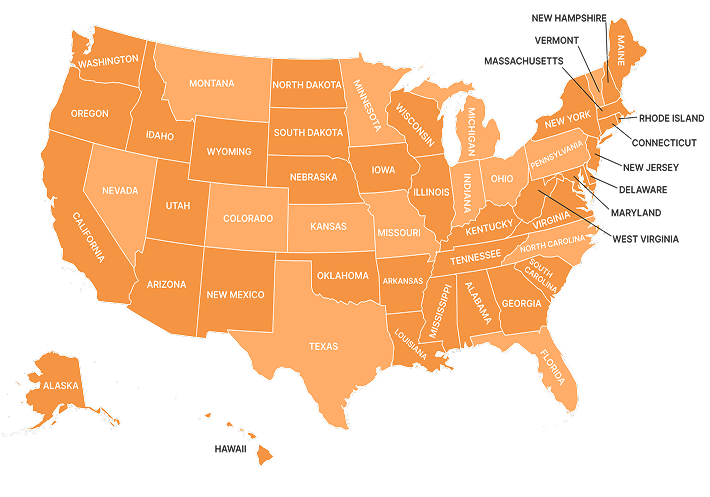
We provide state-specific guides and solutions to help you navigate local insurance regulations, ensuring your business is protected and fully compliant across different regions.
This table displays typical rates and coverage for Fencing General Liability for $1 Million/$2 Million Policy.
State
We want you to understand exactly what this unique form of insurance does beyond descriptions like this. That’s why we’ve offered a series of definitions, as well as examples of claims that fall under each category. The list below gives you what you need to know:
This refers to any physical harm a third party sustains while you’re on the job.
Example: You fail to notify a client that you’re testing the electrification of a fence at a certain hour, which leads to moderate to severe injury.
Any false claim or direct attack made against a third party, as in libel or copyright infringement.
Example: Your company accidentally creates a logo that is uncannily similar to your competitor’s logo, so much so that your competitor sues for copyright infringement.
Any property damage that affects the client or a potential third party, such as a neighbor.
Example: A neighbor notices that your vehicle has damaged their yard or garden during a project, and they demand monetary compensation for those damages.
This covers the medical bills of a third party caused by a painting-related injury.
Example: The client’s child gets injured trying to climb over the chainlink fence you’re in the process of building. Your insurance can pay for the stitches required to heal the laceration.
Any injury that negatively affects the reputation or emotional state of a third party.
Example: A fence that you built around a property attracts graffiti artists in the area, damaging the reputation of the business next door.
While fencing insurance provides comprehensive protection, it’s important to know its limitations. Some instances where coverage may not apply include:
Coverage does not extend to already completed structures or projects.
Injuries sustained by employees are typically handled under workers’ compensation, not general liability insurance.
Damages caused by faulty equipment or mechanical breakdowns are not covered.
Tools owned by contractors often require separate insurance for theft or damage protection.
Acts of vandalism or intentional harm to property are not included in coverage.
Fencing insurance is crucial for protecting your business and ensuring projects proceed without costly interruptions. It offers protection against potential risks, helping to safeguard your financial investment and maintain project timelines. Many contractors also find that insurance is required to secure contracts, making it a vital component of long-term business success.

No, it only applies to ongoing projects or installations, not previously completed work.
No, workers’ compensation is required to cover injuries sustained on the job site.
No, this insurance does not cover equipment malfunctions; separate coverage may be needed.
Generally, no. Contractors should seek additional coverage for their tools and equipment.
No, fencing insurance does not cover damages caused deliberately.
Just read and in 30 minutes you will know everything about insurance.