facebook pixel
Oregon Workers Compensation Insurance

WORKERS’ COMPENSATION IN IDAHO: YOUR ESSENTIAL GUIDE TO COMPLIANCE AND COVERAGE

oregon-workers-compensation-insurance

OVERVIEW OF WORKERS’ COMPENSATION IN OREGON

Oregon’s workers’ comp system covers employees and employers. If you’re a business owner, construction worker, or corporate office manager, you need to know how workers’ comp insurance works in the state. That’s how you comply with the law and protect your workforce.

WHY WORKERS’ COMPENSATION INSURANCE MATTERS IN OREGON

Workers’ compensation insurance makes sure employees get benefits if they get hurt or sick at work. For employers, it helps lower liability and stops expensive lawsuits by covering employee costs related to workplace injuries.

Oregon’s system operates with a no-fault policy allowing employees to get benefits without showing their employer was negligent. This means employees can’t sue their employer for injuries at work.

Get a Free Workers’ Compensation Insurance Quote

In only 5 minutes of your valuable time. We can often get same day coverage.

Get a Free Workers’ Compensation Insurance Quote

Fill out my online form.

WHICH EMPLOYERS IN OREGON NEED WORKERS’ COMPENSATION INSURANCE ?

Oregon law requires most employers with one or more employees to have workers’ compensation insurance. This rule applies to full-time part-time, seasonal, and temporary workers.
list star

Who Must Have Coverage?

ORS 656.017 states that almost all employers having one or more employees must have Workers’ Comp, including:

  • Full-time, part-time, seasonal, and temporary workers
  • Construction companies and contractors
  • Agricultural employers
  • Nonprofits with paid employees
list star

Who Doesn’t Need Coverage?

Some workers and business owners might not need coverage, including:

  • Sole proprietors (unless they employ workers)
  • Independent contractors who satisfy strict Oregon law requirements
  • Partners in a business partnership
  • Corporate officers if they direct the company and own at least 10% of it


Even if your business doesn’t need coverage, getting voluntary insurance can protect your finances and give you peace of mind.

Do you have a question?
Call us 24/7

worker

HOW TO GET WORKERS’ COMPENSATION INSURANCE IN OREGON

list star

Private Insurance Companies

Employers can buy policies from licensed private insurance carriers. Rates change based on how risky the industry is and how big the business is.
list star

Self-Insurance

Big businesses with lots of money can apply to self-insure, which lets them cover their own claims instead of buying a regular policy. But this needs state approval and proof that the company is stable.

WHAT DOES WORKERS’ COMPENSATION COVER?

Oregon’s workers’ compensation system gives several benefits to employees who get hurt or sick at work.

  • Medical Benefits
  • Doctor visits, hospital care, and surgeries
  • Prescription medications
  • Physical therapy and rehabilitation
  • Medical devices (braces, wheelchairs, etc.)
  • Wage Replacement Benefits
list star

Permanent Disability Benefits

For bad injuries that cause long-lasting impairment, employees might qualify for permanent partial disability (PPD) or permanent total disability (PTD) benefits.
list star

Vocational Rehabilitation

Workers who can’t go back to their old jobs might get job training and help finding new employment.
list star

Death Benefits

If an employee dies from a work-related incident, their dependents receive:

  • Up to $2,439.78/month for a surviving spouse or domestic partner
  • $365.95/month per dependent child (if dependent on spouse)
  • Funeral expenses

THE CLAIMS PROCESS: WHAT EMPLOYERS AND EMPLOYEES SHOULD KNOW

1.

Reporting the Injury

Employees must tell their employer about their work-related injury or illness right away. The employer then gives them Form 801 (Report of Job Injury or Illness).

2.

Employer Notification to Insurer

After learning about the incident, the employer must inform their workers’ compensation insurance carrier within five days.

3.

Medical Evaluation

The injured worker should see an approved healthcare provider. The doctor will fill out Form 827 (Worker’s and Physician’s Report for Workers’ Compensation Claims) and send it to the insurer.

4.

Insurer Investigation

The insurance company checks the claim and decides to approve or deny it. Workers should get an answer within 60 days.

5.

Payment of Benefits

If approved, the worker starts getting benefits. If the claim is denied, the employee can appeal the decision through the Oregon Workers’ Compensation Board.

PENALTIES FOR NON-COMPLIANCE

Not following Oregon’s workers’ compensation laws can lead to big problems for employers:

Penalty

Penalty
Description
Fines
Employers without coverage face penalties of twice the premium owed or a minimum fine of $1,000 per violation.
Business Closure
The state can halt operations until the employer provides proof of proper coverage.
Personal Liability
Employers may be personally responsible for paying injured workers’ medical expenses and lost wages.


HOW MUCH DOES WORKERS’ COMPENSATION INSURANCE COST IN OREGON?

The cost of workers’ compensation depends on:

  • Industry type: Jobs with high risks (like construction and logging) cost more than office jobs.
  • Business size: Premiums go up with payroll size.
  • Claim history: Businesses with fewer past claims might pay less.


In Oregon, the National Council on Compensation Insurance (NCCI) controls workers’ compensation insurance rates and updates them each year. Companies can cut expenses by starting workplace safety programs and initiatives to help employees return to work, which lowers the risk of claims.

Here’s What Contractors Think

Frequently Asked Questions

The following are common questions about Workers’ Compensation Insurance.
Most employers with one or more employees must carry coverage, including full-time, part-time, and seasonal workers.
Yes, sole proprietors, independent contractors, business partners, and corporate officers (owning at least 10% of the company) may be exempt.
It pays for medical treatment, lost wages, disability benefits, vocational rehabilitation, and death benefits for work-related injuries or illnesses.
Costs vary based on industry risk, payroll size, and claims history. High-risk jobs like construction pay higher premiums than office jobs.
Yes! Employers can lower costs by implementing safety programs, reducing claims, and offering return-to-work programs.
handyman-insurance-book
We’ve collected all the most useful things in our e-books

Just read and in 30 minutes you will know everything about insurance.

Contractors Big Icon

GET A FREE GENERAL LIABILITY QUOTE WITHIN MINUTES

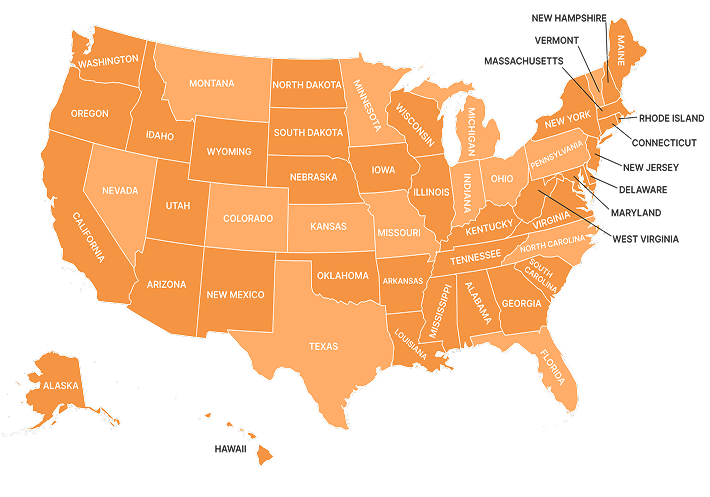
states-map image